$47.19 Original price was: $47.19.$47.19Current price is: $47.19.
$55.77 Original price was: $55.77.$55.77Current price is: $55.77.
$150.87 Original price was: $150.87.$150.87Current price is: $150.87.
$53.63 Original price was: $53.63.$53.63Current price is: $53.63.
$73.65 Original price was: $73.65.$73.65Current price is: $73.65.
$38.61 Original price was: $38.61.$38.61Current price is: $38.61.
$52.20 Original price was: $52.20.$52.20Current price is: $52.20.
$70.07 Original price was: $70.07.$70.07Current price is: $70.07.
$17.88 Original price was: $17.88.$17.88Current price is: $17.88.
$39.33 Original price was: $39.33.$39.33Current price is: $39.33.
$41.47 Original price was: $41.47.$41.47Current price is: $41.47.
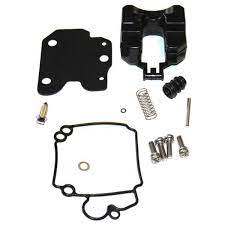
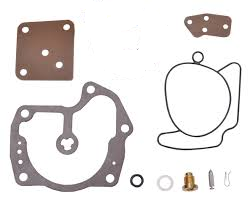
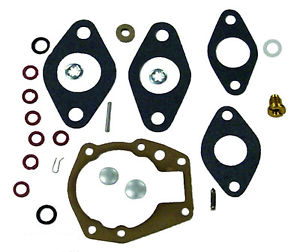
Had to do a full rebuild on an early model Yamaha 70hp 2 stroke. Knowledge of parts was spot on and delivery time was the next day for stocked items on the Sunshine Coast. Price was in direct comparison with what was available online and definitely worth going with….
Size it against the requirement for the waters you boat in, then go up from there. Queensland, as an example, sets a minimum of 45 litres a minute for vessels from 5 to under 8 metres and 70 litres a minute at 8 metres and over. Because pump ratings are measured at open flow and real installations lose flow to hose and lift, choose a pump comfortably above the minimum rather than one that just meets it.
A standard pump only runs when you operate the switch at the helm. An automatic pump has switching built in and starts on its own as water rises, whether or not anyone is aboard. If the boat sits on a mooring or lives outside where rain collects, fit an automatic.
No. An automatic pump already has the switching built in. A separate float switch is for running a standard pump automatically, and some owners prefer it because the switch can be positioned independently of the pump and is cheaper to replace when it wears out.
No. It runs only when water reaches the switching level, then shuts off. A pump that cycles constantly is telling you water is getting in faster than it should, and the leak is what needs attention, not the pump.
Usually a blockage or an air lock rather than a dead pump. Check the strainer for debris, look for a kinked, collapsed or blocked discharge hose, and make sure the skin fitting outside is clear. If the pump is not running at all, check the fuse, the wiring connections and the float switch before replacing the pump.
On any boat with more than one enclosed compartment, yes, because water trapped in a sealed compartment cannot reach a pump somewhere else. Many owners also run a second pump mounted higher as a backup to the primary, so a failed pump or a jammed switch is not a single point of failure.
Match the hose to the pump’s outlet and use the corresponding plumbing kit, stocked in 20mm and 28mm. Fitting undersized hose or reducing the outlet chokes the flow, so the pump delivers less than its rating no matter how big it is.
Test it at the start of every season, after any long period of sitting, and periodically through the year. Tip water into the bilge, confirm an automatic pump starts on its own, clear the strainer and inspect the hose and wiring. It takes a few minutes and it is the only way to know the pump will work when you need it.
With years of experience in the marine parts industry, our knowledgeable team is here to guide you through our product offerings, ensuring you find exactly what you need.