Why the Right Outboard Oil Matters
Marine engines work harder than almost anything else on land. They run at sustained high RPM, under variable load, in a corrosive saltwater environment, often with long sit periods between trips. Automotive oil – even premium synthetic – isn’t designed for any of that. It foams under highRPM loads, doesn’t carry the additive package needed to handle marine corrosion, and breaks down under the thermal cycling of an outboard that’s worked hard and then left to sit.
Using the wrong oil in an outboard is one of the most expensive shortcuts you can take. Premature wear on rings and bearings, scored cylinders, gummedup power valves on 2strokes, and lost compression on 4strokes all trace back to oil that isn’t up to the job. The cost difference between a proper marine outboard oil and an automotive substitute is a few dollars a litre. The cost of getting it wrong is a powerhead rebuild.
The good news is the rating system makes it easy. Every outboard oil sold for marine use carries an NMMA (National Marine Manufacturers Association) certification – TCW3 for 2strokes, FCW for 4strokes. If it doesn’t carry the rating, it doesn’t belong in your outboard.
2Stroke vs 4Stroke Outboard Oil – Choosing the Right Type
The first decision is straightforward: match the oil to your engine type.
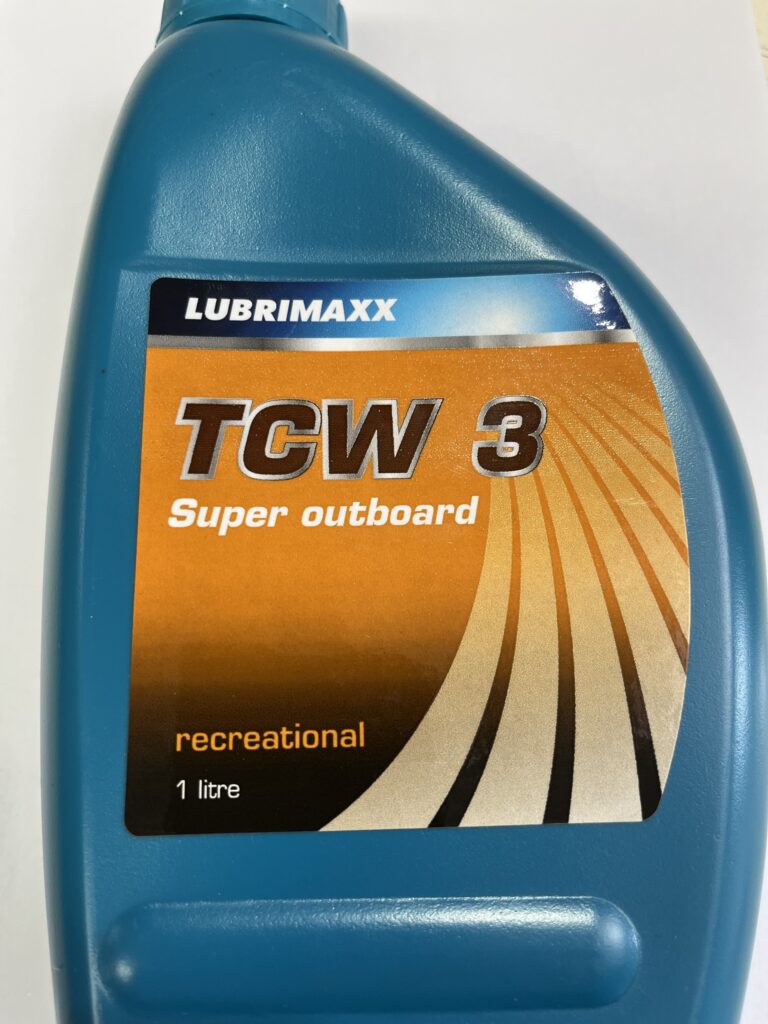
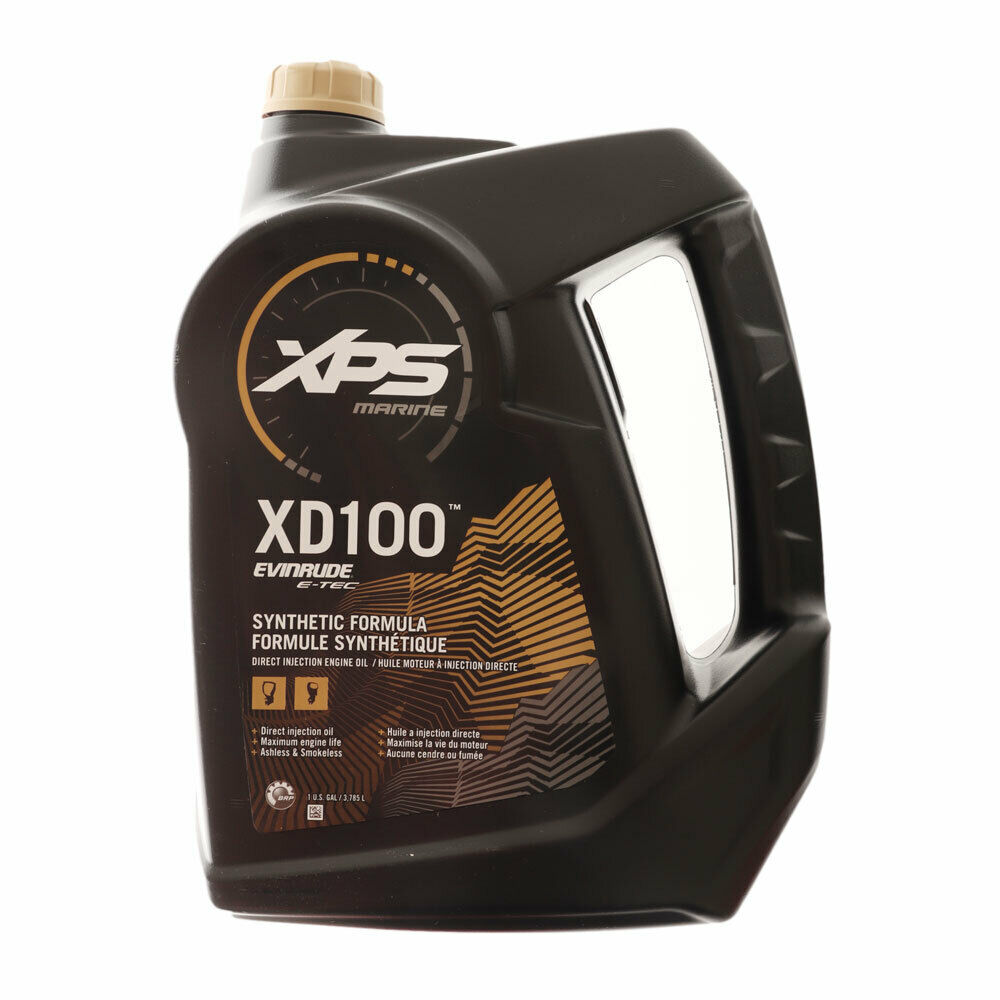
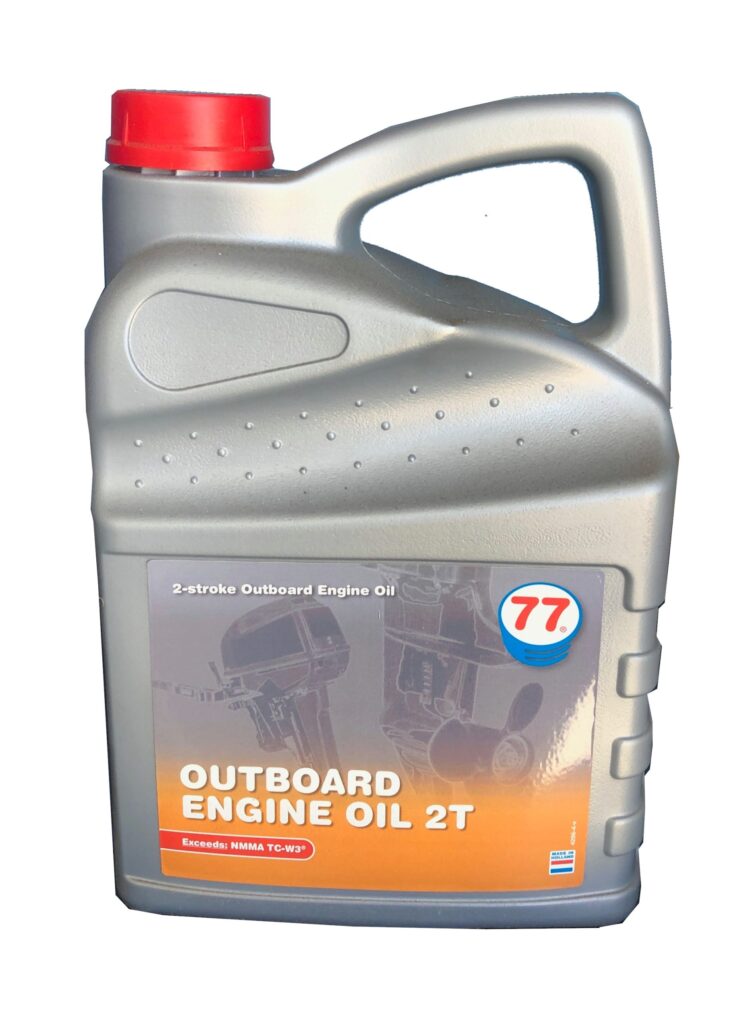
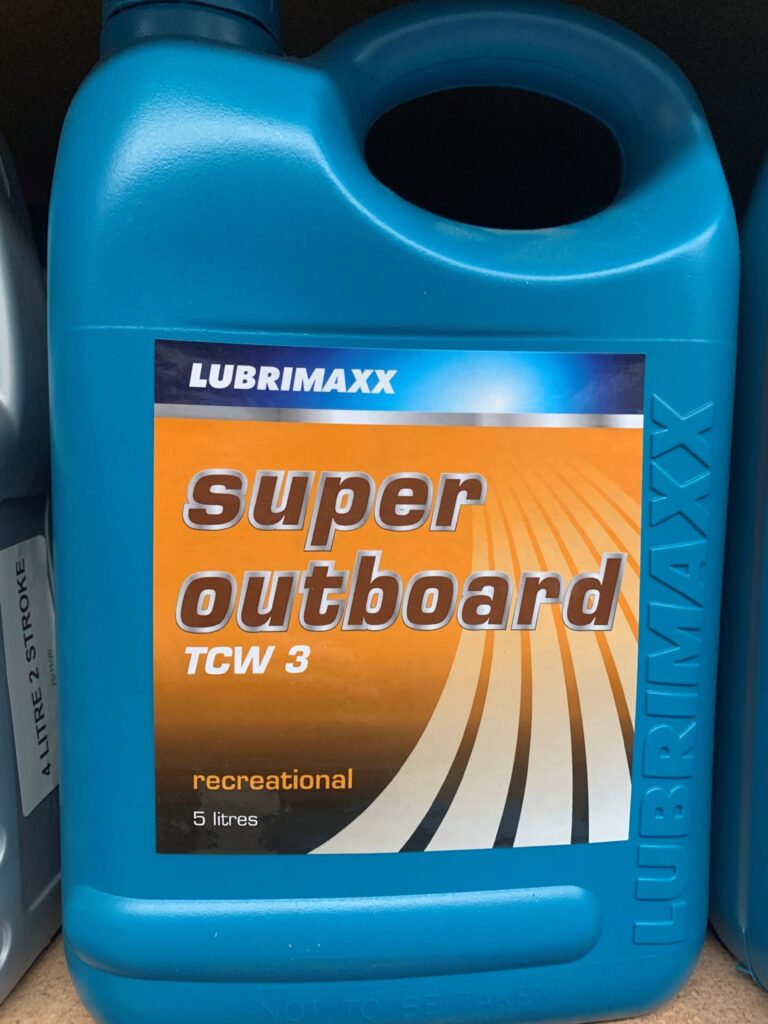
2stroke outboard oil (TCW3) is designed to burn cleanly with the fuel in a 2stroke combustion cycle. It mixes with petrol either in the tank (premix) or via an oil injection system, lubricates the crank and bearings on the way through, then combusts. Look for the NMMA TCW3 rating on the bottle – it’s the current standard and replaces the older TCW2 spec. Most 2stroke outboards from the last 25 years run TCW3 with no issues.
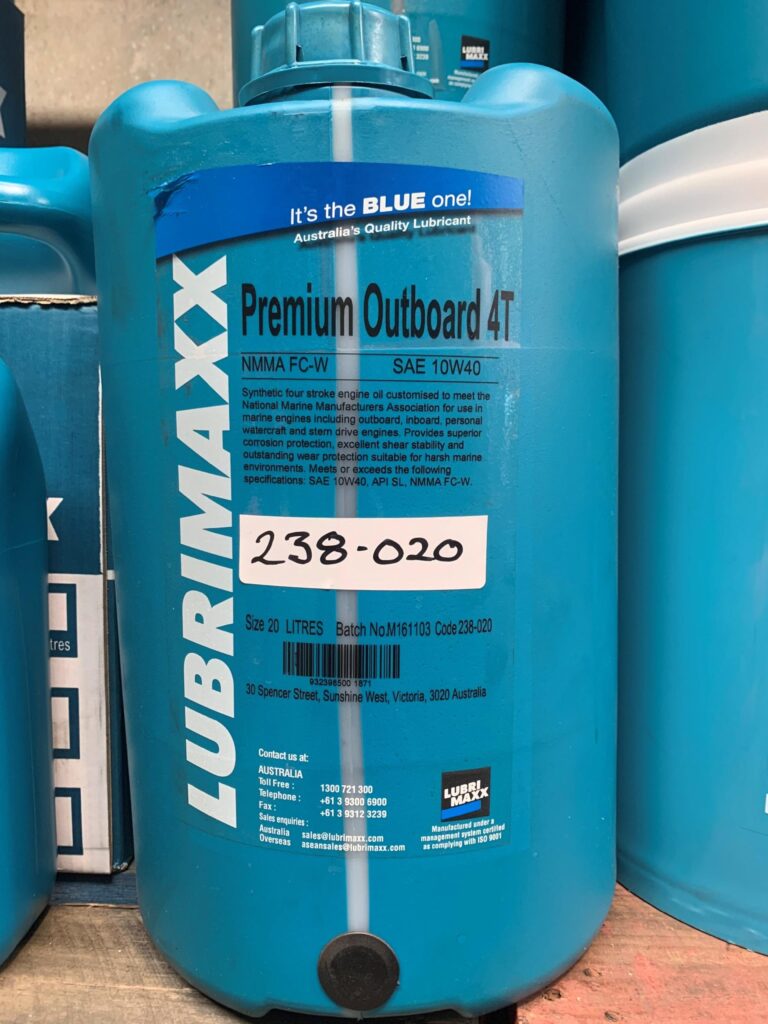
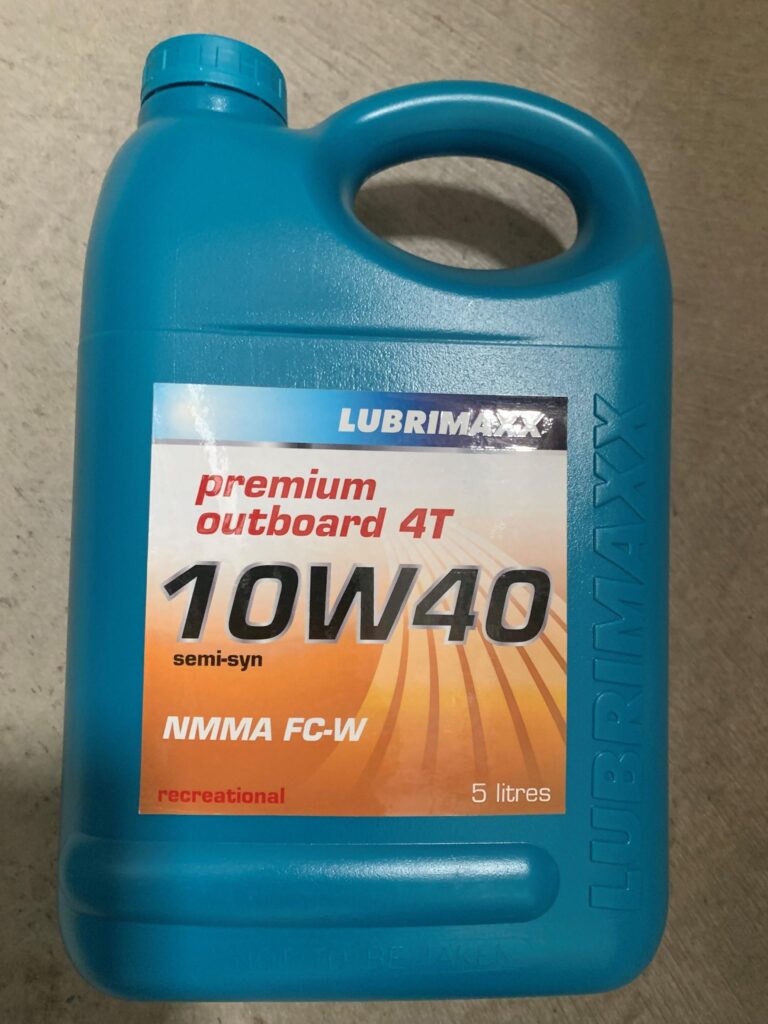
4stroke outboard oil (FCW) is closer in concept to automotive engine oil but with a marinespecific additive package: more anticorrosion protection, stronger antifoam additives, and higher resistance to fuel dilution from extended lowRPM trolling. The NMMA FCW rating is what to look for. Common viscosities are 10W30 (most fourstrokes) and 25W40 (highoutput and supercharged engines like Mercury Verado).
Always check your owner’s manual for the exact viscosity. A Yamaha F70 wants 10W30; a Mercury 350 Verado wants 25W40. Don’t guess.
Gear Oil and Lower Unit Lubrication
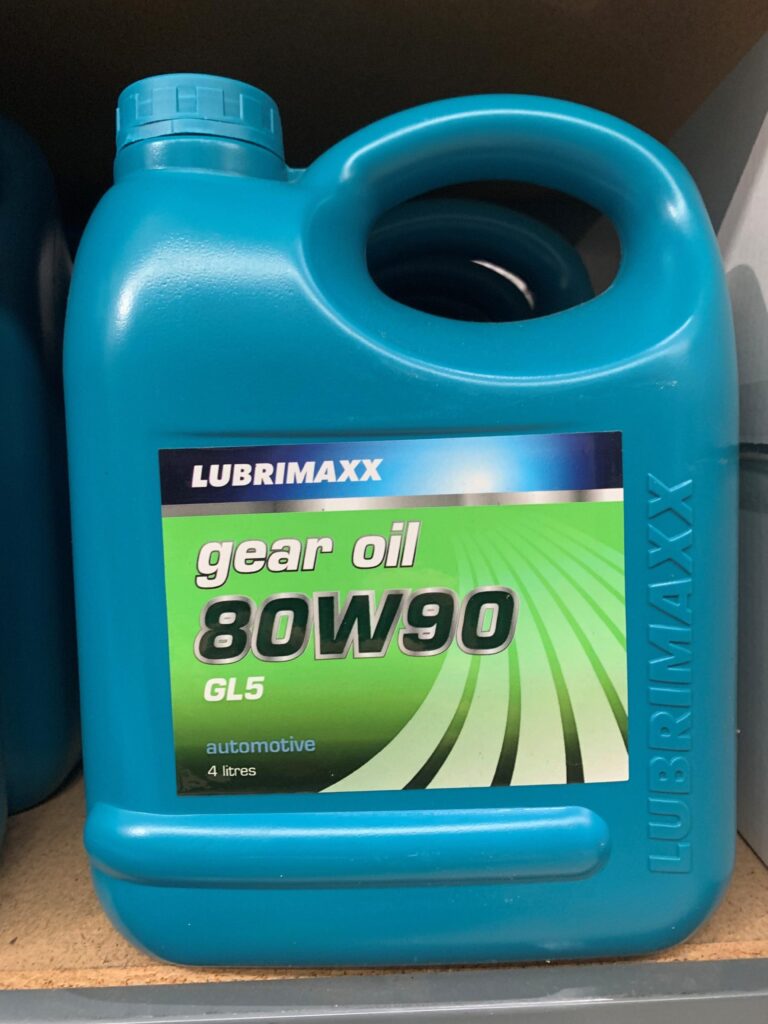
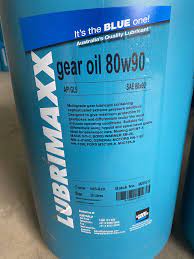
The lower unit (gear case) on every outboard runs on a separate gear oil – typically an SAE 80W90 marine gear lube. This oil lubricates the prop shaft bearings, the forward/reverse clutch dog, and the bevel gears that transfer power down from the driveshaft.
Gear oil is the most overlooked service on most outboards, and the most expensive when it gets neglected. The gear case sits below the waterline, so any seal failure on the prop shaft or driveshaft lets water in. Once water mixes with the oil it turns a milky brown colour and stops lubricating properly – at which point you’re a few hours away from a stripped gear or a seized bearing.
Pull the bottom drain plug at every annual service. If the oil that comes out is brown or milky, you’ve got water intrusion and the gear case needs new seals before you put it back together. If it’s clean, refill with fresh 80W90 from the bottom drain until it runs out the top vent, then plug the top first, then the bottom. Always replace both plug washers – they’re cents and they’re the only thing keeping water out.
For lower unit parts and seals, see our outboard gear case parts range.
How Often to Change Outboard Engine Oil
The standard service interval for 4stroke outboard engine oil is every 100 hours of running or once a year, whichever comes first. The annual rule matters as much as the hour rule – oil degrades from exposure to moisture and combustion byproducts even when the engine isn’t running, which is why a lowhour weekend boat still needs an annual change.
Bring the interval forward if you:
- Run a lot of lowRPM trolling (fuel dilutes the oil faster)
- Operate in saltwater yearround
- Store the boat for the offseason (change before storage, not after)
- Run the engine hard – wideopen throttle commercial or charter use
For 2stroke outboards there’s no scheduled oil change because the oil is consumed with the fuel. What matters is keeping the oil reservoir topped up and using a quality TCW3 oil every time.
Gear oil changes at the same 100 hour or annual interval as engine oil. Inspect every service – sooner if you’ve hit a snag, sand bar or oyster lease that could have damaged a seal.
How to Change Outboard Engine Oil
A 4stroke oil and filter change is a 30minute job at the ramp or in the driveway:
- Run the engine for 5 minutes on muffs to warm the oil – warm oil drains faster and carries more contaminants out with it
- Shut down, trim the engine fully down, and place a drain pan under the lower unit
- Pull the dipstick (vents the system), then remove the oil drain plug
- Let it drain fully – 10 minutes minimum
- Unscrew the old oil filter (band wrench if it’s tight) and let it drain into the pan
- Lightly oil the new filter’s gasket with clean engine oil, thread it on by hand, threequarter turn past contact
- Replace the drain plug with a fresh washer – never reuse the old one
- Refill through the dipstick tube with the correct grade and quantity (check your manual)
- Start the engine on muffs, check for leaks at the filter and drain plug
- Recheck oil level after 5 minutes of running, top up if needed
Dispose of the old oil and filter through a recycling depot or marine workshop – never down a drain or in general waste. Most workshops will take used oil free of charge.
For oil filters, see our outboard oil filters range. For sump plug washers and other replacement seals, browse our marine engine gaskets.
Bundle Your Oil Service With These Jobs
The 100hour service is the right time to handle a few other items while the cowl’s off:
- Impeller and water pump – the water pump impeller is rubber and degrades with time and use. Most manufacturers recommend replacement every 100–200 hours, but it’s cheap insurance to do it annually. See our outboard water pumps range.
- Fuel filter and water separator element – same interval as the oil change, takes 5 minutes
- Spark plugs – inspect at every service, replace at 100–200 hours
- Gearcase oil – drain, inspect for water, refill
Doing all of this together saves time and means your boat is fully serviced and ready for the next 100 hours of running.
Frequently Asked Questions
Can I use car engine oil in my outboard? No. Automotive oil lacks the marinespecific additive package outboards need – particularly anticorrosion protection, antifoam additives, and resistance to fuel dilution. Always use NMMA FCW rated oil in a 4stroke outboard or TCW3 in a 2stroke.
What’s the difference between TCW3 and FCW oil? TCW3 is the NMMA standard for 2stroke outboard oil – it’s designed to burn cleanly with the fuel mixture. FCW is the standard for 4stroke outboard oil – it stays in the sump and lubricates the engine like a car engine oil, but with marinegrade additives. They are not interchangeable.
How often should I change my outboard oil? Every 100 hours of running or annually, whichever comes first, for 4stroke outboards. 2strokes don’t need scheduled changes – keep the oil reservoir topped up with TCW3. Gear oil follows the same 100hour or annual interval.
What viscosity oil does my outboard need? Check your owner’s manual. Most 4stroke outboards run 10W30 FCW; highoutput and supercharged engines (Mercury Verado, some Yamaha and Suzuki highHP models) run 25W40 FCW. Don’t guess – the wrong viscosity affects oil pressure and protection.
My gear oil came out milky brown – what does that mean? Water has entered the gear case, almost always through a failed prop shaft seal or driveshaft seal. Don’t run the engine until the seals are replaced and the oil refilled – milky oil doesn’t lubricate properly and you’ll damage the gears. See our outboard gear case parts for replacement seals.
Can I mix different brands of outboard oil? You can in an emergency, provided both oils carry the correct NMMA rating (TCW3 or FCW). Long term, stick with one brand for consistent additive chemistry. Never mix 2stroke and 4stroke oils, and never use automotive oil as a substitute.
How much oil does my outboard hold? It varies by engine. A small 9.9hp 4stroke might hold 0.8 litres; a 300hp V8 holds around 7 litres. Check your owner’s manual for the exact capacity, and always confirm the level on the dipstick after refilling.
Do I need to change the oil filter every oil change? Yes. The filter holds back contaminants that have built up over the service interval – reusing it puts those contaminants straight back into the new oil. Oil filters are inexpensive and should be replaced every time. See our outboard oil filters range.