What Fuel Filters Do on an Outboard
A fuel filter’s job is to trap dirt, rust, debris and water before they reach the parts of your engine that cannot tolerate them: the carburettor jets on older motors, or the injectors and vapour separator on modern EFI outboards. Marine fuel picks up contamination easily. Tanks breathe and collect condensation, ethanol blends absorb water, and rust and sediment work loose from tanks and jerry cans. The filter is the barrier between all of that and a very expensive fuel system.
It is a cheap part doing a big job. An inline fuel filter costs a few dollars, but the injectors, VST or carburettor it protects run into the hundreds or thousands to clean or replace. Changing filters on schedule is the easiest maintenance win on the boat.
How Many Fuel Filters Does Your Outboard Have?
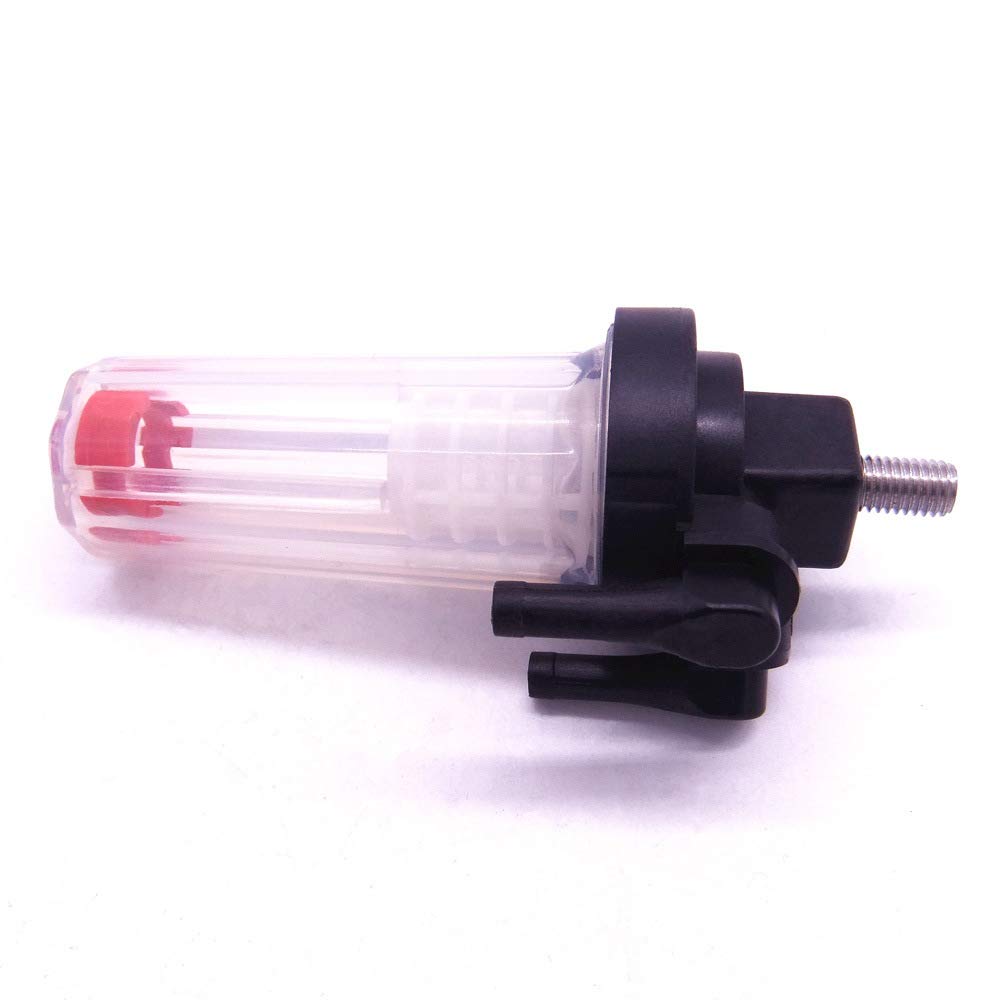
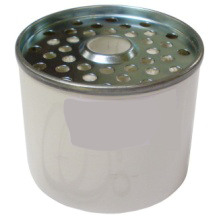
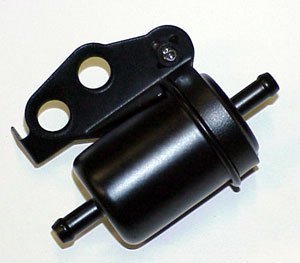
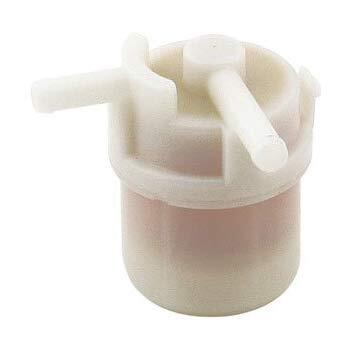
Most boaties are surprised to learn their outboard has more than one fuel filter, and knowing which is which tells you what to buy. A typical setup has two or three stages:
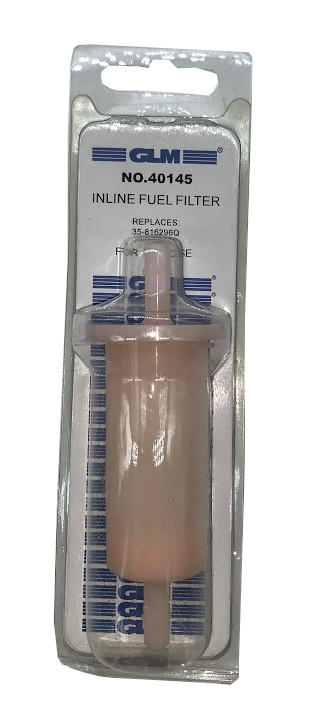
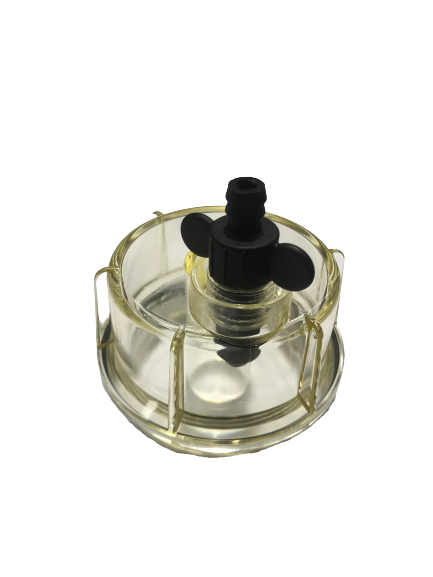
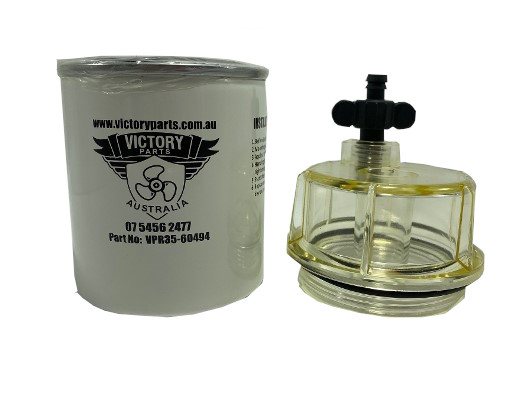
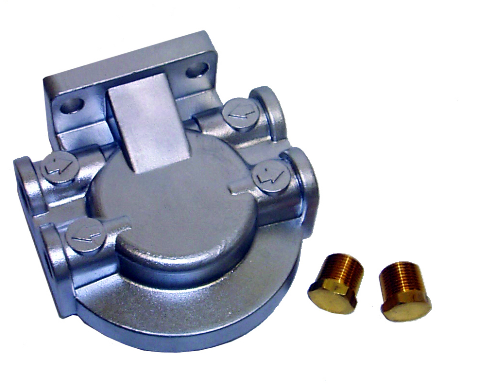
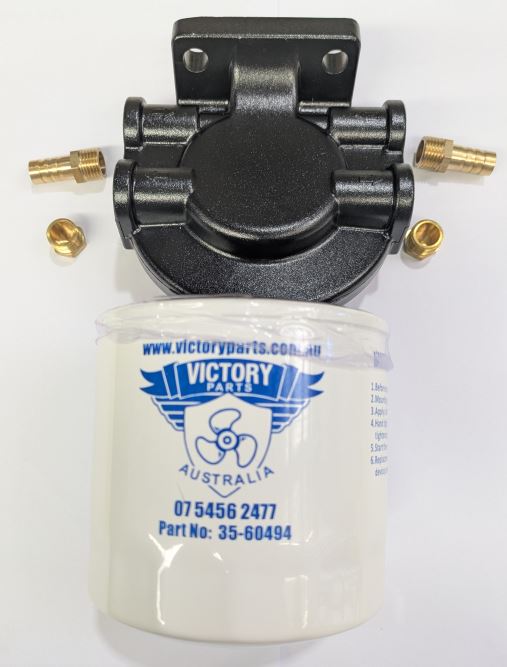
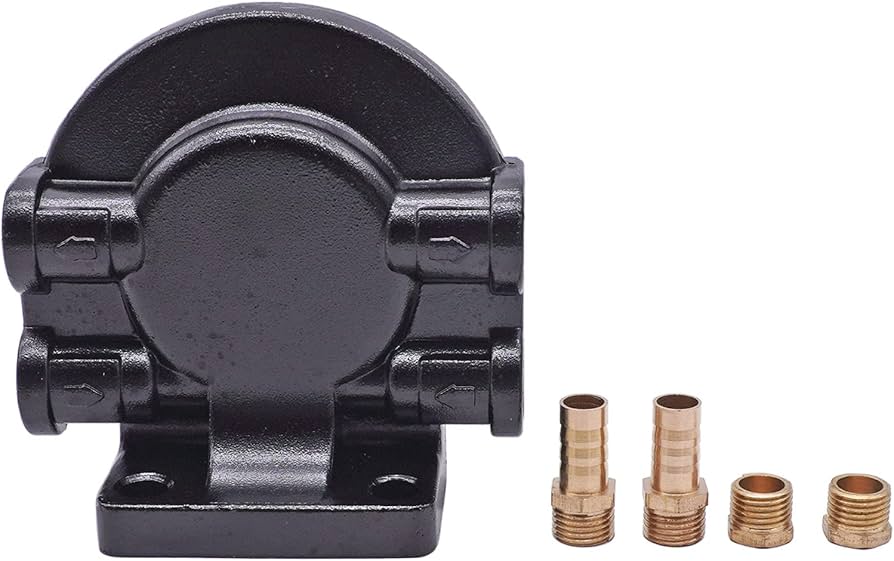
- Tank-side water-separating filter. A spin-on or canister filter mounted between the tank and the motor, usually with a clear bowl. This is the first line of defence and its main job is catching water. It is often a separate 10-micron unit, and you will find these in our fuel water separator range.
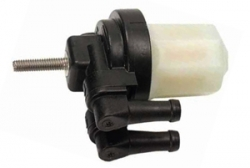
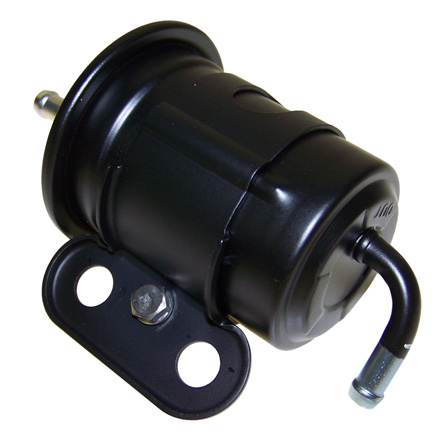
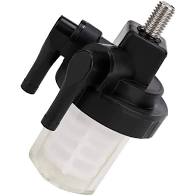
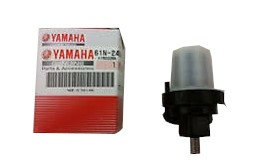
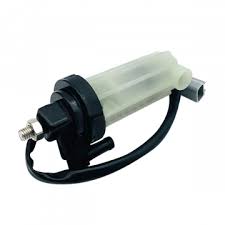
- On-engine primary filter. Mounted on the motor itself, often a small inline or canister filter, sometimes with a clear bowl and a water-detection sensor. This is a finer filter that catches what the first stage missed.
- High-pressure or VST filter. On EFI outboards, a fine filter or screen inside the vapour separator tank protects the injectors. This is the last line before the fuel is injected.
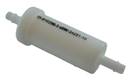
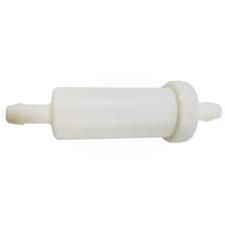
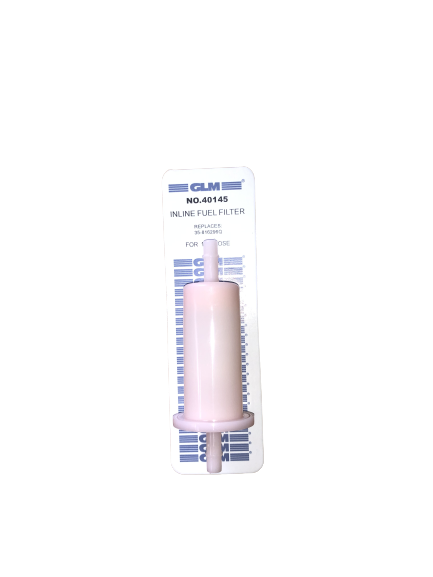
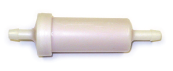
Older carburettor motors often run a single simple inline filter between the tank and the carby. If you are not sure how many your motor has or which one you are replacing, send us your engine make, model and year and we will point you to the right part.
Signs of a Blocked Fuel Filter
A clogging filter starves the engine of fuel, and the symptoms usually show up under load first. The classic sign is hesitation or a loss of power at higher RPM, where the engine is demanding the most fuel. Below that you will notice rough idling, hard starting, surging or hunting revs, and in the worst case the motor stalls and will not restart.
Because these symptoms mimic other fuel problems, the fuel filter is always the cheapest and first thing to check. If your motor is running rough, replacing a filter that has not been changed in a season or two is a few minutes and a few dollars, and it clears the most common cause before you go chasing anything expensive.
Micron Ratings and Water-Separating vs Particulate Filters
Two things confuse buyers most, so here is the plain version.
Micron rating is how small a particle the filter will trap. A lower number is a finer filter. A tank-side water separator is commonly 10 micron, catching water and larger debris, while filters closer to the injectors are finer, often 2 to 4 micron, to protect the fine tolerances. Fitting the wrong rating matters: too coarse and grit reaches your injectors, too fine in the wrong spot and you can restrict flow. Match the rating your motor was designed for.
Water-separating versus particulate. A water-separating filter is built to pull water out of the fuel and hold it in a bowl you can drain, as well as trapping dirt. A standard particulate filter only traps solid debris. Because water is the number one enemy of a marine fuel system, most outboards run a water-separating filter as the primary stage. If your setup has a clear bowl, that is your water separator, and it should be checked and drained regularly.
Ethanol, E10 and Water: the Australian Fuel Problem
Water in the fuel is what kills outboards, and Australian conditions make it worse. Ethanol blends like E10 attract and absorb moisture, and in a marine environment of humidity, temperature swings and tanks that sit between trips, that water builds up fast. When enough water collects, the ethanol and water can separate out of the petrol and drop to the bottom of the tank as a corrosive layer, a process called phase separation, and that is what gets drawn into your fuel system first.
This is why the water-separating filter and its drain bowl matter so much in Australian boating. Check the bowl for water before every trip, drain it when you see it, and where you can, use fuel without ethanol and add a marine fuel stabiliser during storage. A fifteen-dollar filter and a two-minute check are cheap against the injector or carburettor damage that watered fuel causes.
How Often to Replace Your Fuel Filter
As a rule, replace the primary fuel filter every 100 hours of use or once a year, whichever comes first, and inspect it more often if you boat hard or your fuel quality is uncertain. Water-separating elements are often on a shorter interval, around every 50 hours or annually. Check the water-separator bowl before every trip regardless of hours. If you have run through a tank of questionable fuel, or the motor started running rough, change the filter straight away rather than waiting for the schedule. Filters are cheap enough to carry a spare on board.
Oil Filters and Air Filters
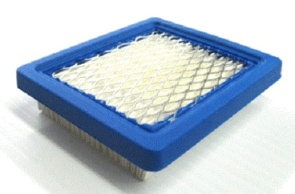
Fourstroke outboards also run an oil filter, which should be replaced at every oil change, typically every 100 hours or annually, to keep clean oil circulating through the powerhead. Fitting a fresh oil filter with old-style spin-on threads is quick, and using the correct filter for your motor protects the bearings and cam. Some outboards, particularly Mercury Optimax and other larger motors, also run an air filter or intake filter that keeps salt spray and debris out of the induction system. Victory Parts stocks oil filters and air filters alongside our fuel filters so you can service the whole motor in one order. Pair a fresh oil filter with the correct outboard engine oil for a complete service.
Choosing the Right Filter for Your Outboard
Filters are engine-specific. Thread size, micron rating, bowl fitment and connection type all have to match, so filters are selected by engine make, model, year and horsepower rather than by a universal size. Victory Parts stocks fuel filters, water separators, oil filters and air filters to suit Yamaha, Mercury, Suzuki, Honda, Tohatsu and Evinrude outboards, plus Mercruiser and older Johnson and Chrysler units, in inline, spin-on and element styles with the brackets, bowls and fittings to suit.
If you are not certain which filter suits your motor, send us the engine make, model, year and horsepower and we will match the correct part for you.
How to Replace an Outboard Fuel Filter
Most fuel filters are a quick job you can do at the ramp or on the trailer. The exact steps depend on the style:
- Shut off the fuel supply, either at the tank valve or by clamping the fuel line upstream of the filter, and relieve pressure before you start
- Place a rag or small container underneath to catch the fuel that will spill
- For an inline filter, note the arrow showing fuel flow direction, then release the clamps and pull the filter off the hose
- For a spin-on water separator, unscrew the old element by hand or with a filter wrench, and drain and clean the bowl if it separates
- Fit the new filter the correct way round, matching the flow arrow, and smear a little clean fuel on the O-ring of a spin-on element before fitting it hand-tight plus a half to three-quarter turn
- Reconnect the fuel supply, then prime the system with the primer bulb until firm to draw fuel through and clear any air
- Start the motor and check for leaks around the filter before you head out
If your outboard has a high-pressure or VST filter that needs replacing, that job is best left to a marine mechanic, as it involves opening the pressurised side of the fuel system.
Frequently Asked Questions
How do I know if my outboard fuel filter is blocked?
The usual signs are hesitation or power loss at higher RPM, rough idling, hard starting, surging revs, and in bad cases stalling that will not restart. Because a filter is cheap and quick to change, it is the first thing to check when a motor runs rough.
How often should I change my boat fuel filter?
Replace the primary fuel filter every 100 hours or once a year, whichever comes first, and water-separating elements around every 50 hours or annually. Check the water-separator bowl for water before every trip, and change any filter straight away if the motor starts running rough.
How many fuel filters does an outboard have?
Most outboards have two or three: a tank-side water-separating filter, an on-engine primary filter, and on EFI motors a high-pressure or VST filter near the injectors. Older carburettor motors often run a single inline filter. Send us your engine details if you are unsure which one you need.
What does the micron rating on a fuel filter mean?
It is the smallest particle size the filter traps, so a lower number is finer. Water separators are commonly 10 micron, while filters closer to the injectors are finer, often 2 to 4 micron. Match the rating your motor was designed for rather than fitting a finer or coarser filter.
What is the difference between a fuel filter and a water separator?
A standard fuel filter traps solid debris. A water-separating filter also pulls water out of the fuel and holds it in a bowl you can drain. Because water is the biggest threat to a marine fuel system, most outboards use a water separator as the primary filter.
Will any fuel filter fit my outboard?
No. Filters are matched by thread size, micron rating, bowl fitment and connection type. Select by engine make, model, year and horsepower, and send us those details if you are unsure and we will match the right part.
Why does water get into my boat’s fuel?
Condensation in the tank, humidity, and ethanol blends like E10 that absorb moisture all put water into marine fuel, and it can separate out and sink to the bottom of the tank. A water-separating filter catches it before it reaches the engine, which is why you should check and drain the bowl regularly.