What the Water Pump Impeller Does
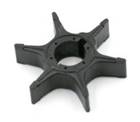
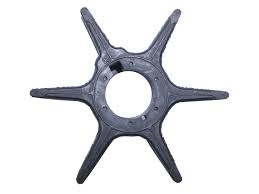
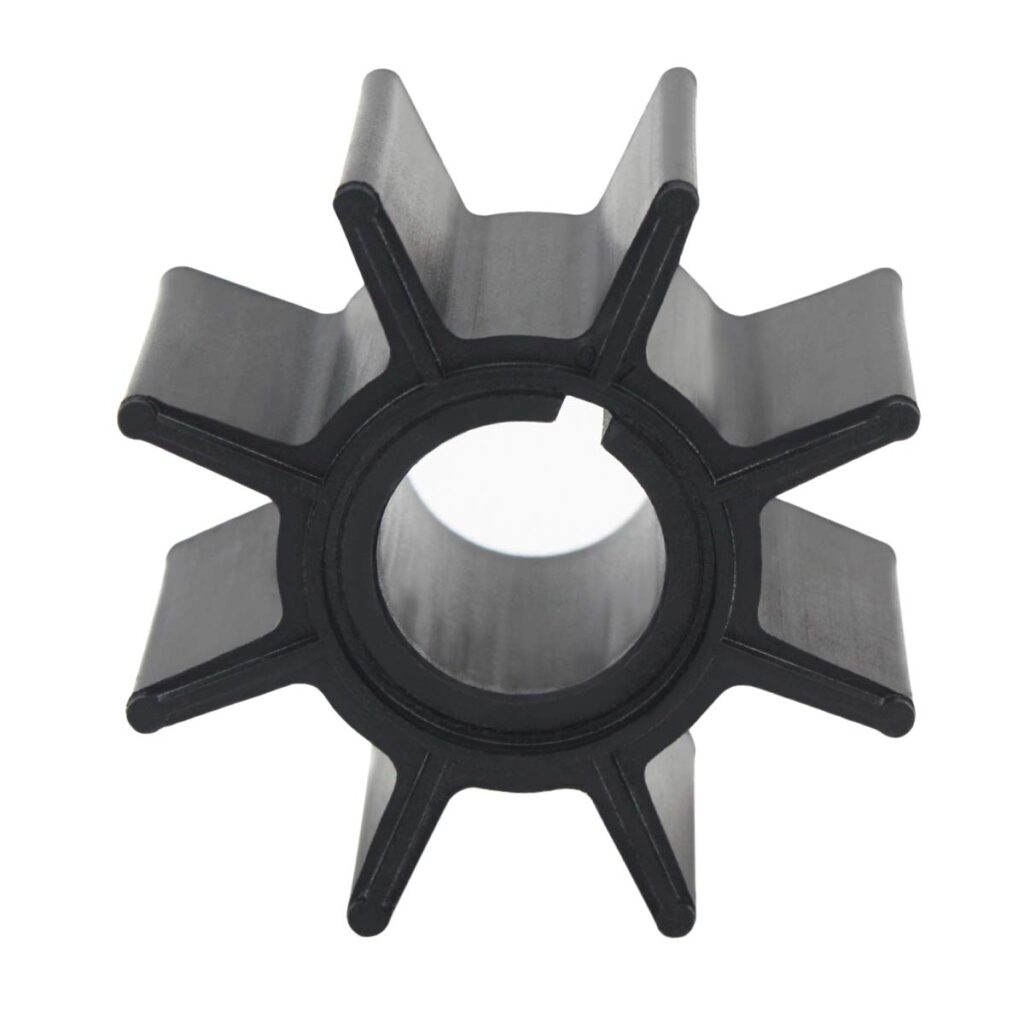
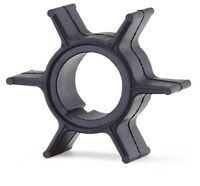
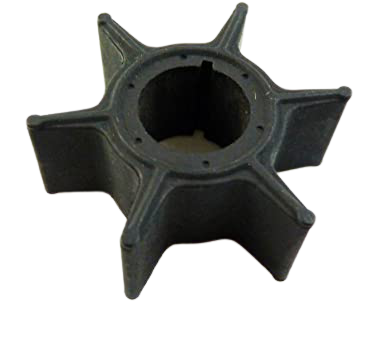
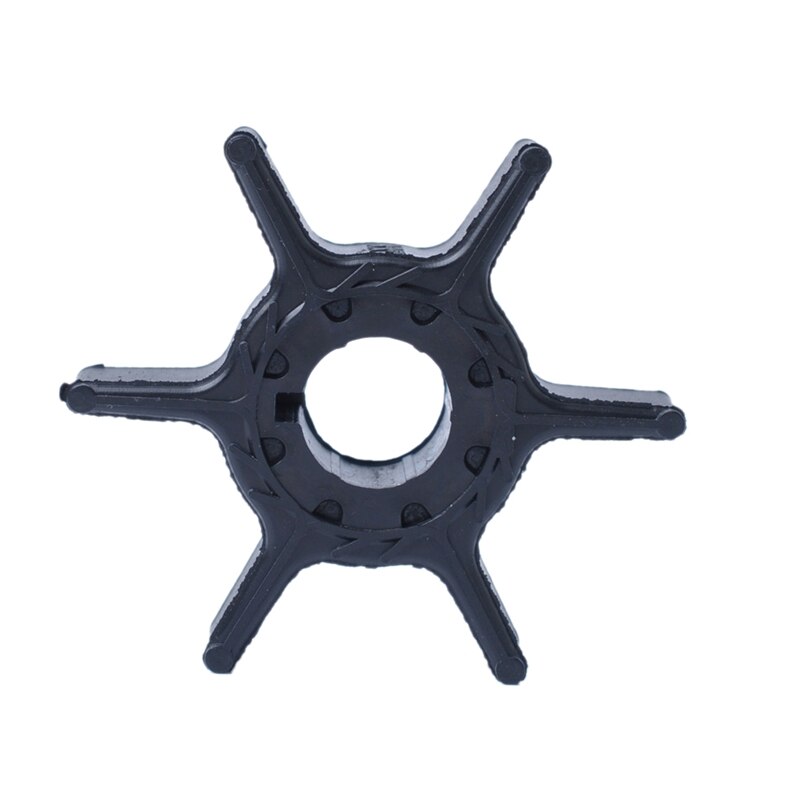
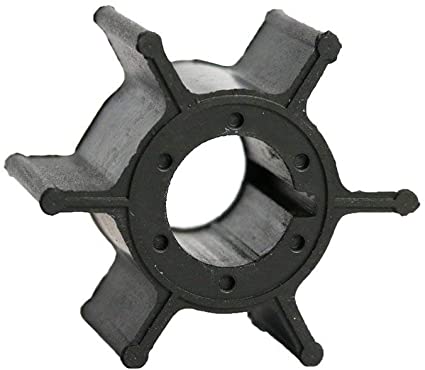
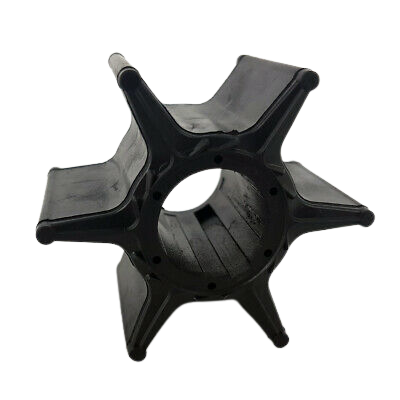
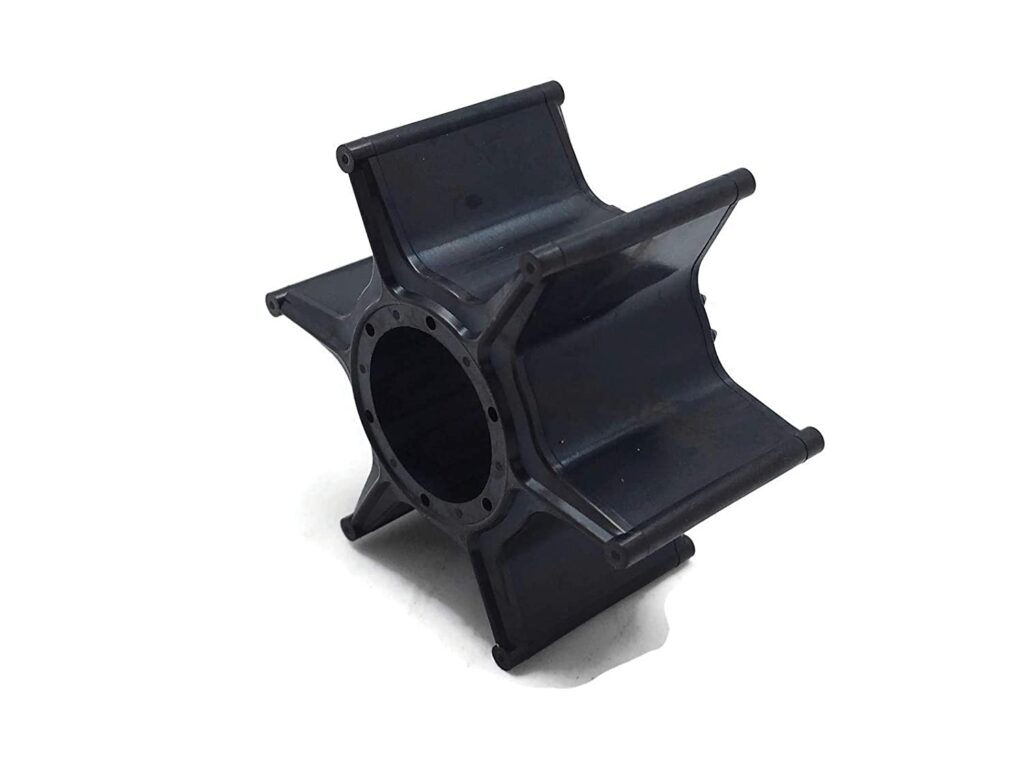
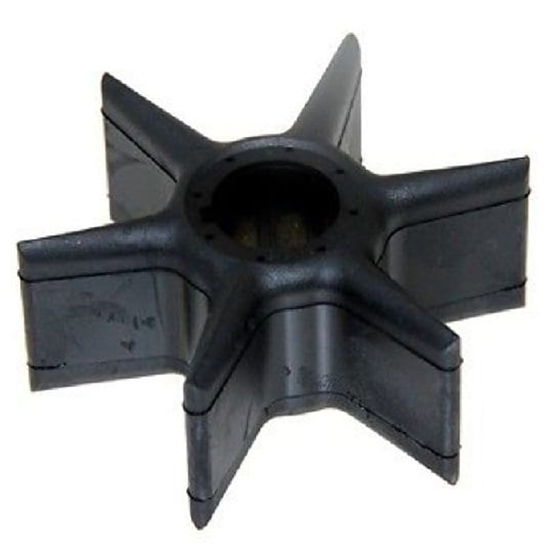
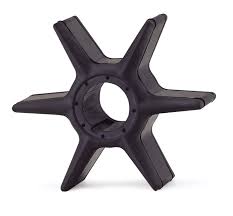
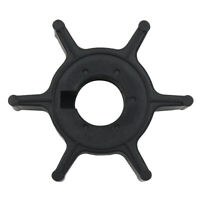
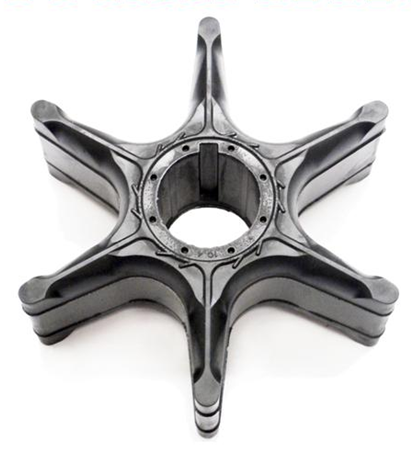
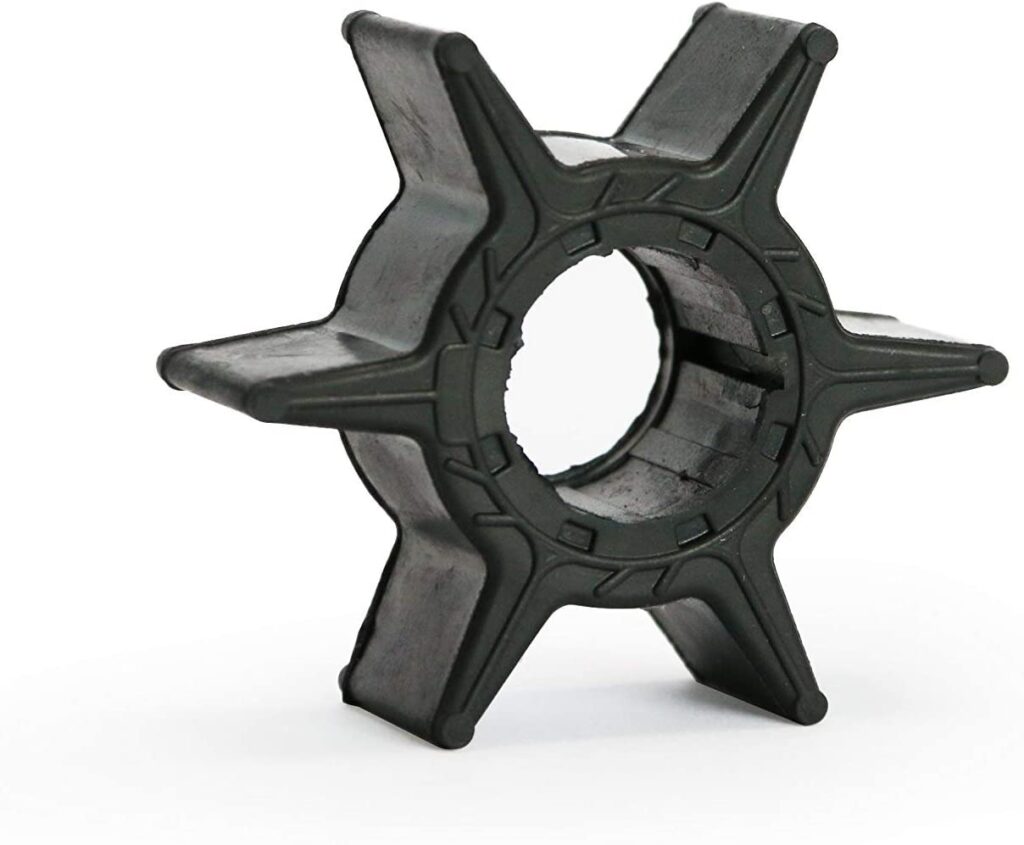
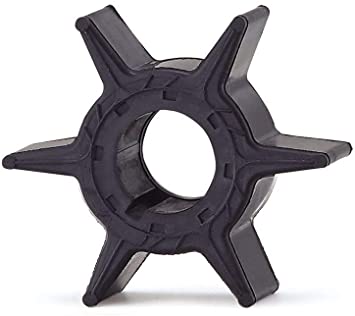
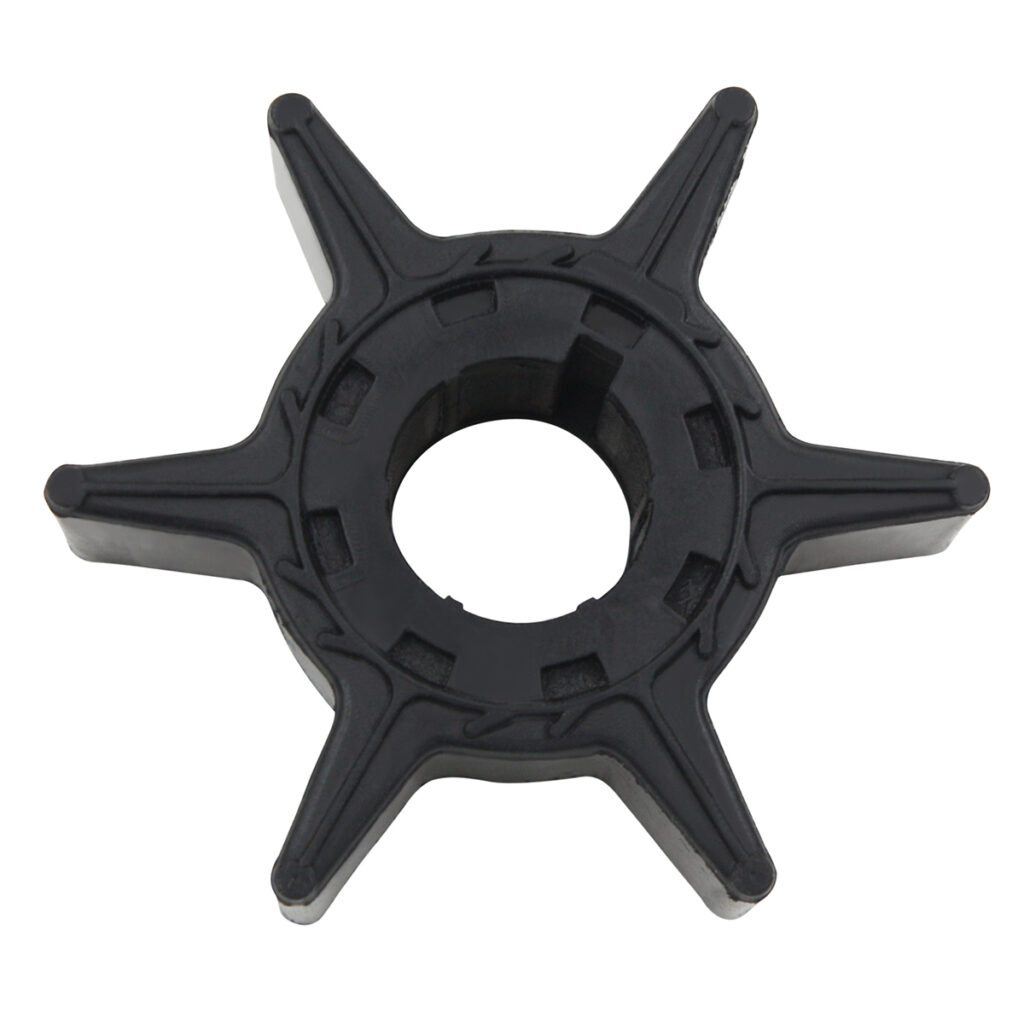
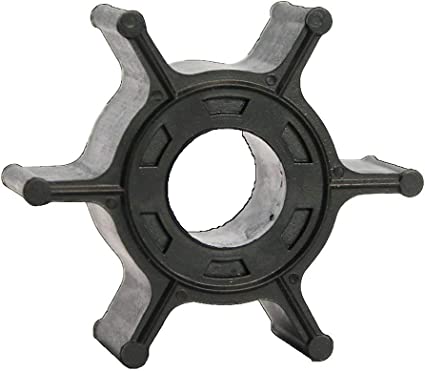
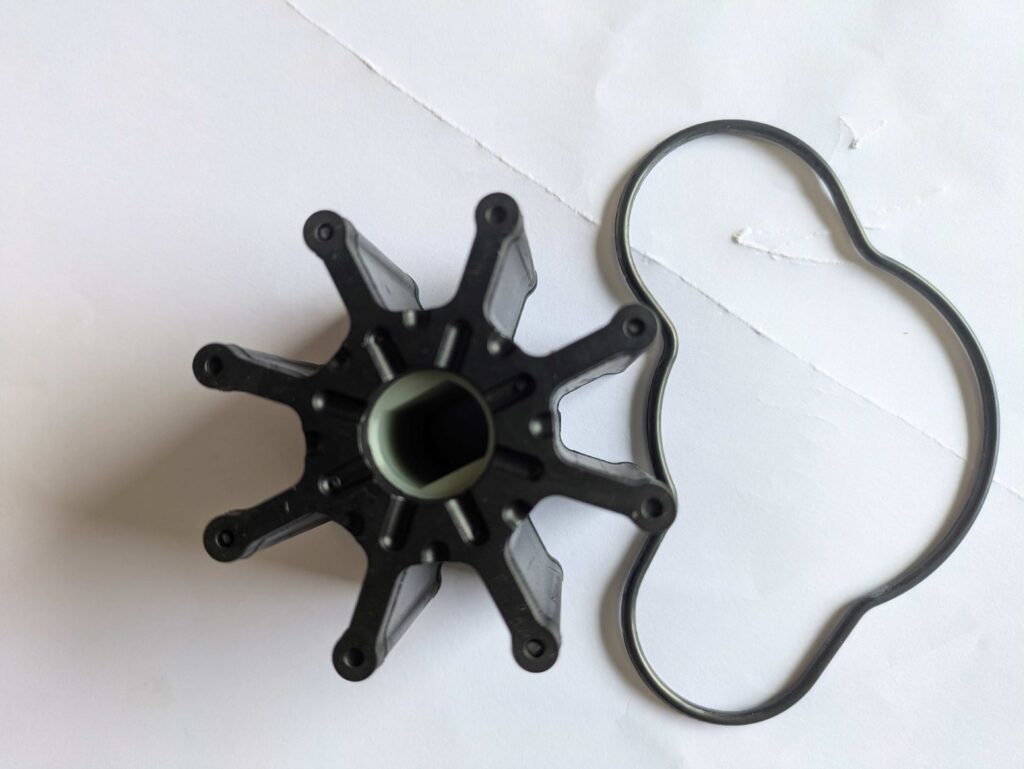
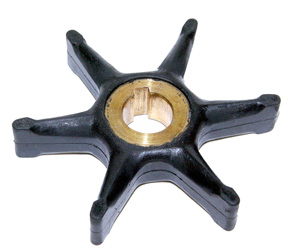
The impeller is a small rubber rotor that sits inside the water pump housing at the top of your outboard’s lower unit. As the driveshaft turns, the impeller’s flexible vanes sweep water up from the intakes, pressurise it, and push it through the powerhead to carry away heat. That cooling water is then dumped overboard through the telltale, the little stream you see spitting out the side of a running motor.
It is the only thing keeping your engine from cooking itself, and it runs dry the instant it loses water. The vanes are rubber, they take a set when the engine sits, and they wear down against the housing and wear plate every hour the motor runs. When they go, cooling stops, and an overheated outboard is a powerhead rebuild waiting to happen. A new impeller costs a few dollars. The job it prevents runs into the thousands.
Signs Your Outboard Impeller Needs Replacing
The clearest warning is the telltale. If the cooling stream is weaker than normal, spits intermittently, or stops altogether, the impeller is worn or damaged and you should shut down before you do any damage. A rising temperature gauge, a heat alarm, or white steam from the exhaust all point the same way: not enough water is moving through the engine.
Other tells include a motor that overheats only at higher RPM, where fuel demand and cooling demand are highest, and rubber debris or broken vane tips found in the housing when you pull it apart. If you have run the engine even briefly without water, or sucked up sand or mud in the shallows, treat the impeller as suspect and inspect it.
How Often to Replace an Outboard Impeller
Most manufacturers recommend inspecting the impeller every year and replacing it every two to three seasons, or roughly every 200 to 300 hours of running. Bring that forward if you run in sandy or shallow water, leave the boat sitting for long periods so the vanes take a set, or operate in saltwater year round. Replacing the impeller as scheduled is cheap insurance, and far easier than dealing with the overheat it prevents.
The golden rule with impellers: never start the engine unless the water intakes are submerged or the motor is on muffs connected to a hose. Water is the only thing lubricating that rubber impeller, and running it dry for even a few seconds can melt and shred the vanes.
Impeller Only, or the Full Water Pump Kit?
You have two options when it is time to service the pump. An impeller-only replacement is the cheapest fix and fine if the housing, wear plate and seals are still in good condition. A full water pump service kit includes the impeller plus the housing, wear plate, gaskets, O-rings and seals, and it is the smarter choice on any motor more than a few years old.
Our advice is simple. If you already have the lower unit off to reach the impeller, the labour is done. Spending the extra on a complete kit while you are in there means you replace every wear item in one go and you are not back inside the pump next season chasing a grooved housing or a perished seal. Browse our outboard water pumps range for complete kits, and grab the marine engine gaskets you need for a clean reseal.
Choosing the Right Impeller for Your Outboard
Impellers are engine-specific. The vane count, diameter, height and shaft cutout all have to match your exact pump, so the part is selected by engine make, model and horsepower rather than by a universal size. Victory Parts stocks impellers and water pump kits to suit Yamaha, Mercury, Suzuki, Honda, Tohatsu and Evinrude outboards across the common horsepower range, from small tiller-steer fourstrokes to high-output V6 and V8 offshore motors.
If you are not certain which impeller suits your motor, send us the engine make, model, year and horsepower and we will match the correct part and kit for you.
How to Replace an Outboard Water Pump Impeller
Changing an impeller does not need special tools, but it does mean dropping the lower unit. Allow an hour or two for a first attempt:
- Trim the engine down, disconnect the battery, and select neutral so the shift linkage lines up on reassembly
- Remove the lower unit bolts, then slide the gearcase down and off the driveshaft
- Unbolt the water pump housing and lift it off to expose the impeller
- Pull the old impeller off the driveshaft, then remove and inspect the wear plate and gaskets underneath
- Check the housing for grooves and the wear plate for scoring, and replace both if worn
- Fit the new impeller, rotating it in the correct direction of engine rotation as you slide the housing over it
- Renew all gaskets and O-rings, refit the housing, and torque the bolts evenly
- Reattach the lower unit, line up the driveshaft and shift linkage, and refit the bolts
- Run the engine on muffs and confirm a strong, steady telltale stream before you launch
If you are not confident pulling the lower unit, any marine mechanic can do the job quickly. Either way, never reuse old gaskets or a scored wear plate.
Bundle Your Impeller Job With These Service Items
With the lower unit off, it is the right time to handle the other gearcase jobs in one hit. Drain and inspect the gear oil for water intrusion and refit fresh lube, and replace any tired seals from our outboard gear case parts range while access is easy. Renew the water pump housing and wear plate from our outboard water pumps range if they show wear, reseal everything with fresh marine engine gaskets, and top up the powerhead with the correct outboard engine oil while you are servicing. Doing it all together saves a second teardown and sends you into the season fully serviced.