Yamaha Outboard Oil Range
We stock compatible engine oil for both 2-stroke and 4-stroke Yamaha outboards, available in a range of viscosities and pack sizes. Whether you’re doing a routine oil change on a 4-stroke or topping up the injection system on a 2-stroke, using oil that meets Yamaha’s specified standards protects your engine and keeps your warranty intact.
2-Stroke vs 4-Stroke Yamaha Outboard Oil
The first thing to confirm is whether your Yamaha outboard is a 2-stroke or 4-stroke engine — they require completely different oil formulations and cannot be substituted for one another.
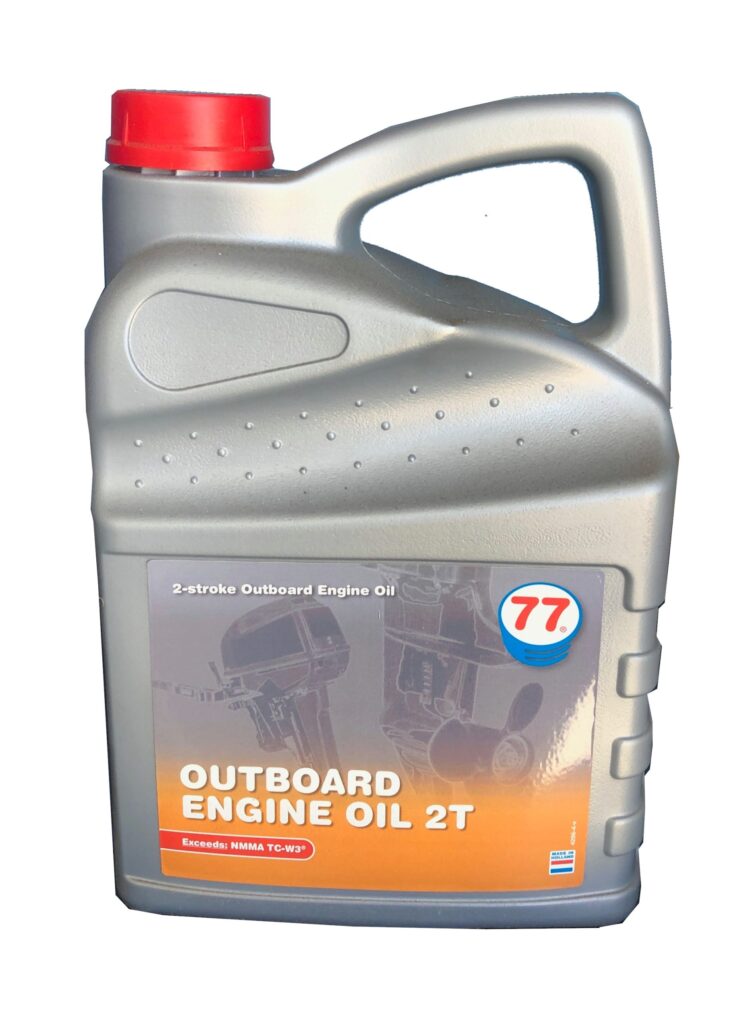
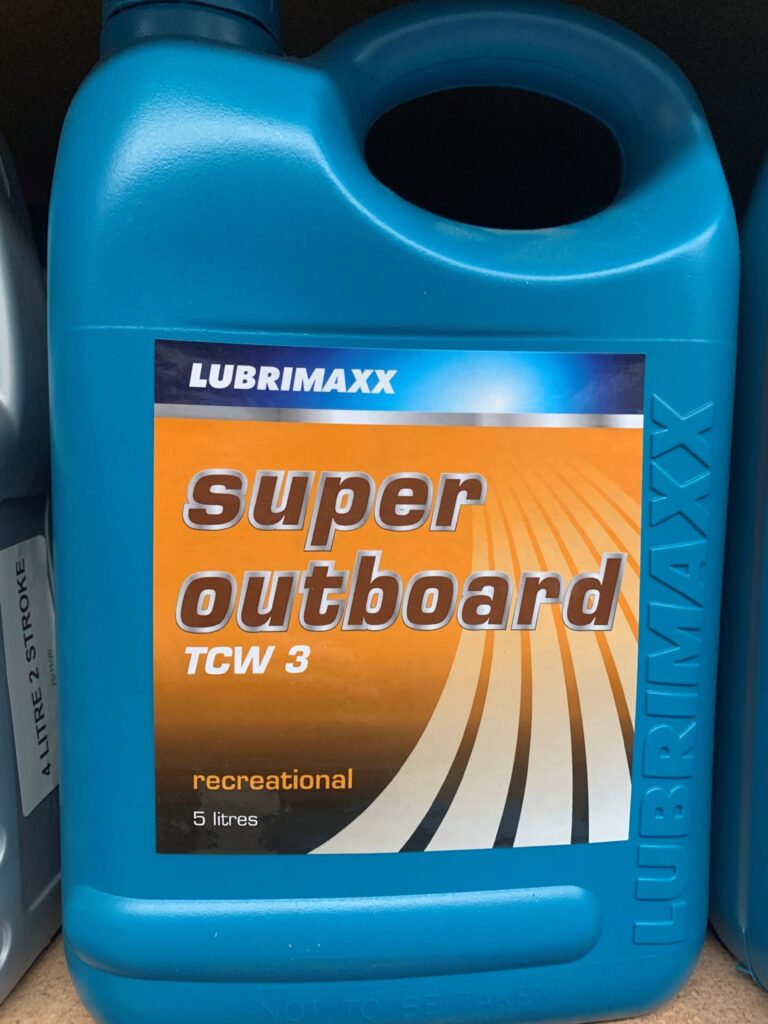
For 2-stroke Yamaha outboards, you need a TC-W3 certified marine 2-stroke oil. TC-W3 is the NMMA certification standard for water-cooled 2-stroke outboard engines, ensuring the oil is compatible with both premix fuel systems and precision blend oil injection systems. It minimises ring sticking, piston burning and spark plug fouling — all common failure points when the wrong oil is used.
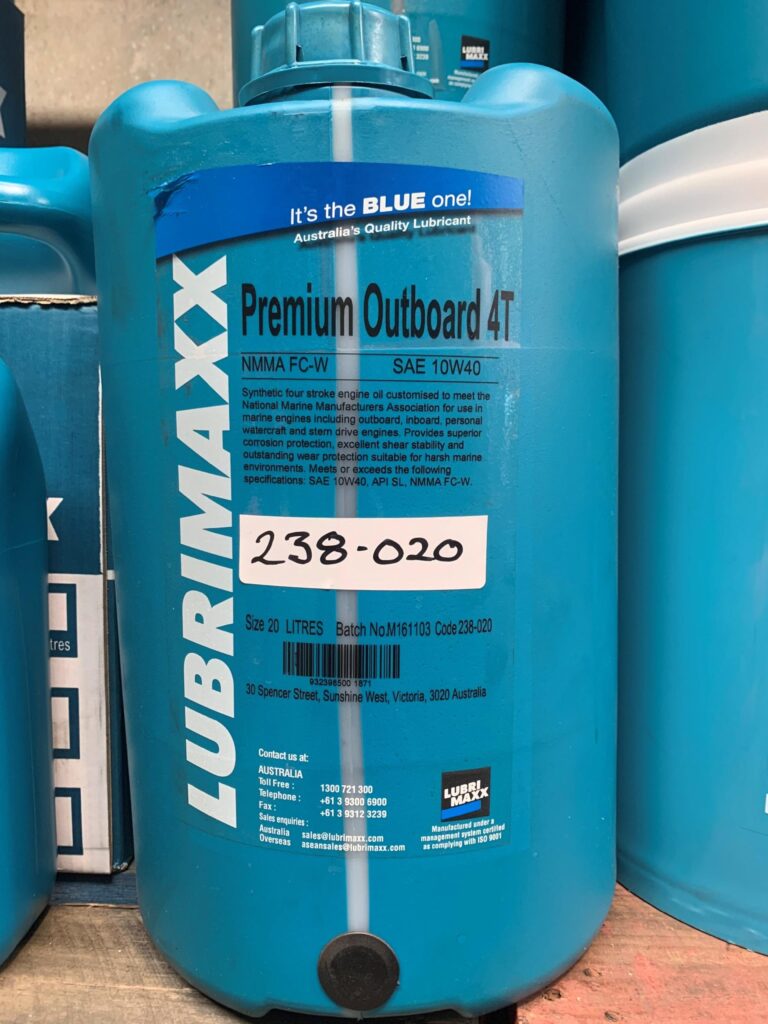
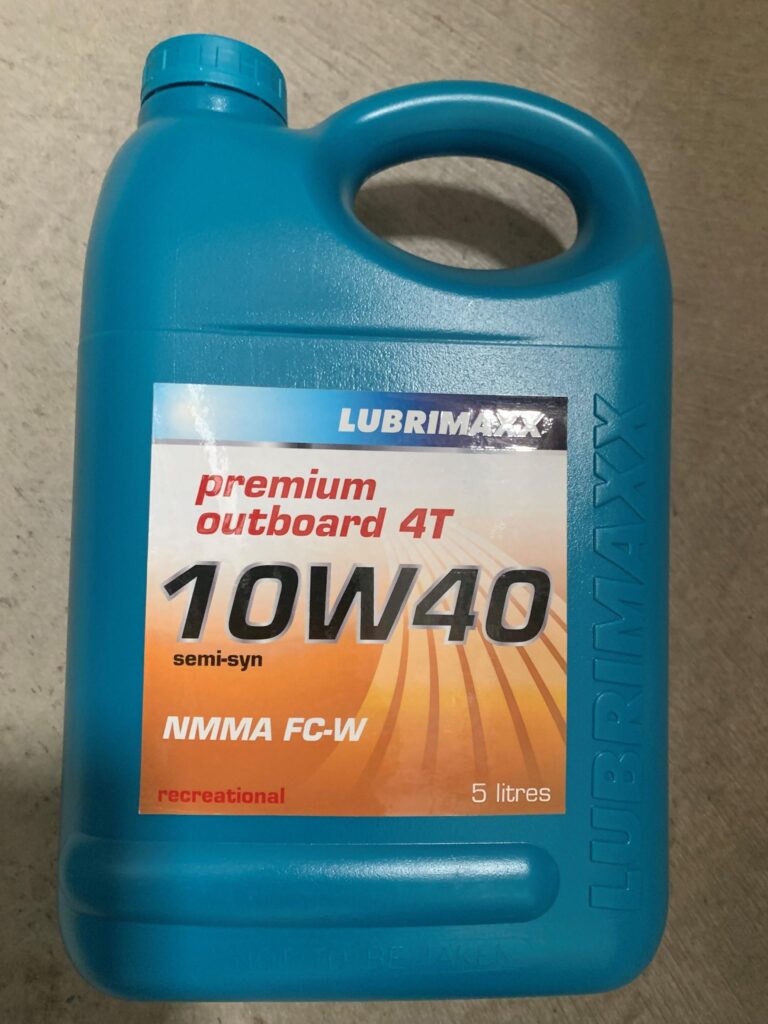
For 4-stroke Yamaha outboards, you need an FC-W certified 4-stroke marine oil in the correct viscosity for your engine. The most common grades are 10W-30 for standard outboards and 20W-40 for larger, higher-output engines. FC-W certification ensures the oil meets the National Marine Manufacturers Association’s standard for four-stroke marine engine use.
Why Automotive Oil Isn’t Suitable for Yamaha Outboards
Car engine oil isn’t an appropriate substitute for marine outboard oil. Outboard motors operate under higher sustained loads and RPM than car engines, and in conditions where water contamination, salt corrosion and constant humidity are everyday realities. Marine-specific engine oils contain anti-corrosion inhibitors, anti-foaming additives and lubricity compounds not found in standard automotive formulations. Using the wrong oil risks ring sticking, carbon buildup, accelerated bearing wear and in the case of newer engines, voided warranty coverage.
Oil Change Intervals for Yamaha Outboards
For 4-stroke Yamaha outboards, Yamaha recommends an oil change every 100 hours of operation or annually — whichever comes first. In heavy-use conditions or saltwater environments, more frequent changes are worth considering. It’s the highest-return maintenance task you can perform on a 4-stroke outboard. Keeping fresh, correctly specified oil in the engine costs very little compared to what neglecting it eventually leads to.
Choosing the Right Viscosity
10W-30 is the standard recommendation for most Yamaha 4-stroke outboards and suits the majority of Australian operating conditions. 20W-40 is better suited to larger, higher-output engines running under sustained high-load conditions, particularly in warmer climates. Always check your owner’s manual to confirm the correct viscosity grade for your specific engine model before ordering.
FAQs
What oil does a Yamaha outboard take? It depends on whether your engine is a 2-stroke or 4-stroke. 2-stroke Yamaha outboards require a TC-W3 certified marine 2-stroke oil, compatible with both premix and oil injection systems. 4-stroke Yamaha outboards require an FC-W certified 4-stroke marine oil, typically 10W-30 or 20W-40 depending on the engine. Check your owner’s manual for the exact specification.
Can I use car engine oil in my Yamaha outboard? No. Automotive oils lack the marine-specific additives that outboard engines need — particularly anti-corrosion inhibitors and anti-foaming compounds. Outboards also run at higher sustained RPM and load than car engines. Using automotive oil risks accelerated wear, corrosion damage and potential engine failure.
How often should I change the oil in my Yamaha 4-stroke outboard? Every 100 hours of operation or once per year, whichever comes first. In saltwater use or under heavy operating conditions, more frequent changes are advisable. Regular oil changes are the most cost-effective maintenance you can do on a 4-stroke outboard.
What is TC-W3 and why does it matter? TC-W3 is the NMMA certification standard for 2-stroke water-cooled marine outboard oils. If your Yamaha is a 2-stroke, you need a TC-W3 certified oil to ensure it’s compatible with your engine’s lubrication system and won’t cause plug fouling, ring sticking or deposit buildup.
What’s the difference between 10W-30 and 20W-40 outboard oil? Both are 4-stroke marine oils suited to different applications. 10W-30 is the standard recommendation for most Yamaha 4-stroke outboards and works well across a wide temperature range. 20W-40 is better suited to larger, higher-output engines under sustained high-load conditions in warmer climates. Check your owner’s manual to confirm the right grade for your engine.