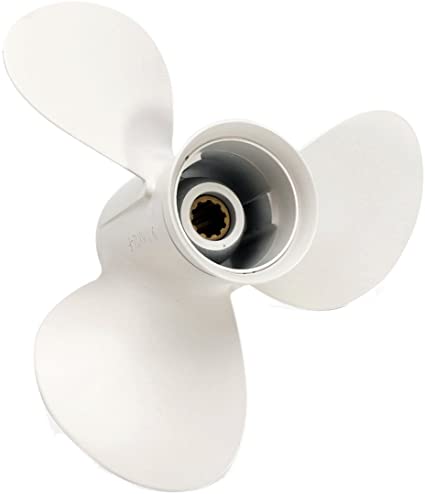
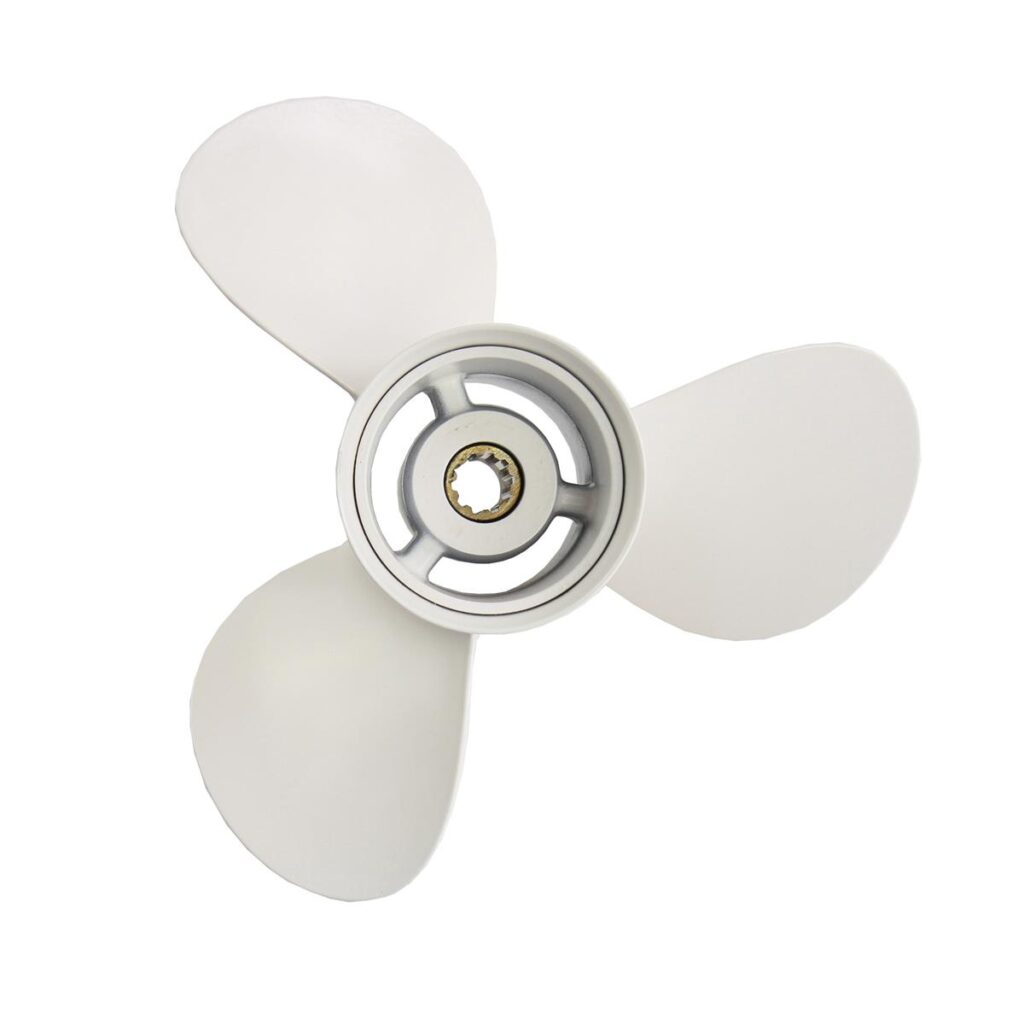
Yamaha Outboard Propeller Range
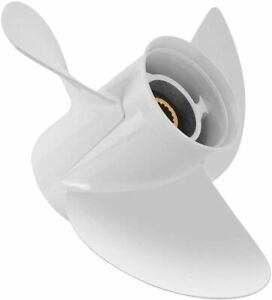
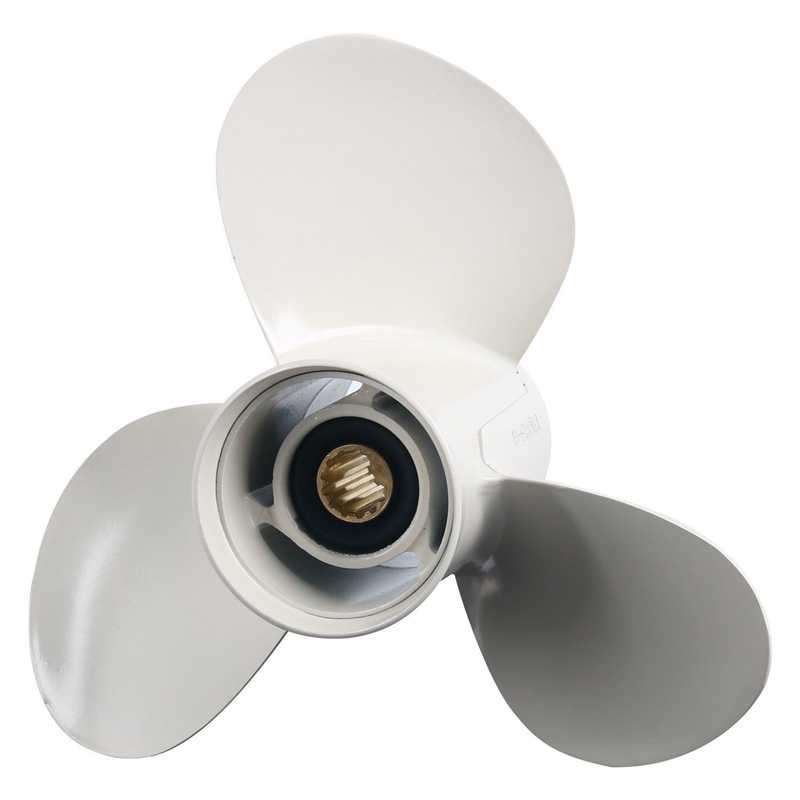
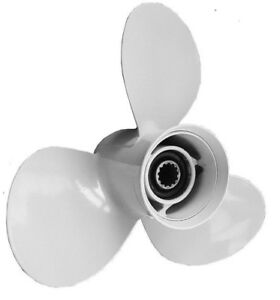
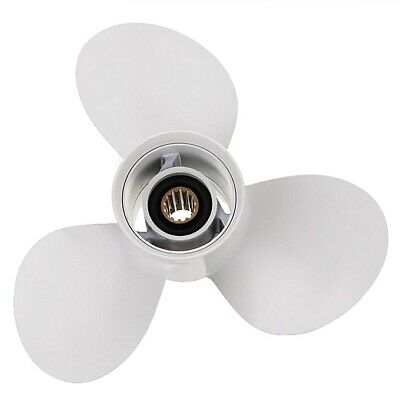
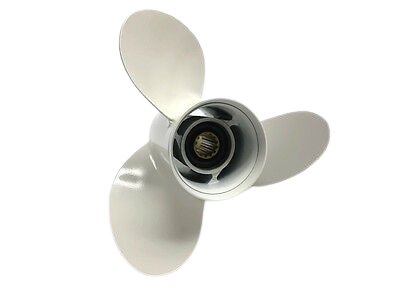
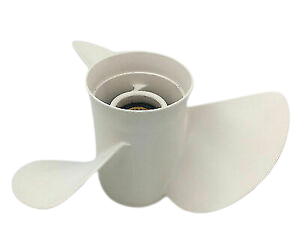
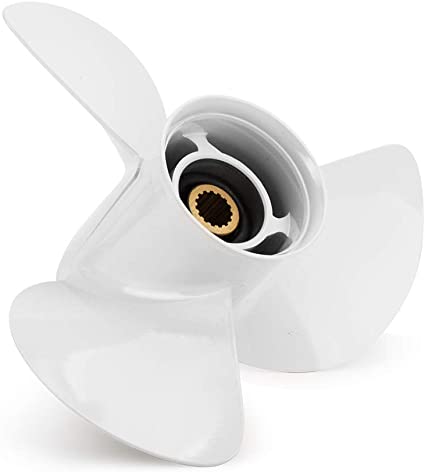
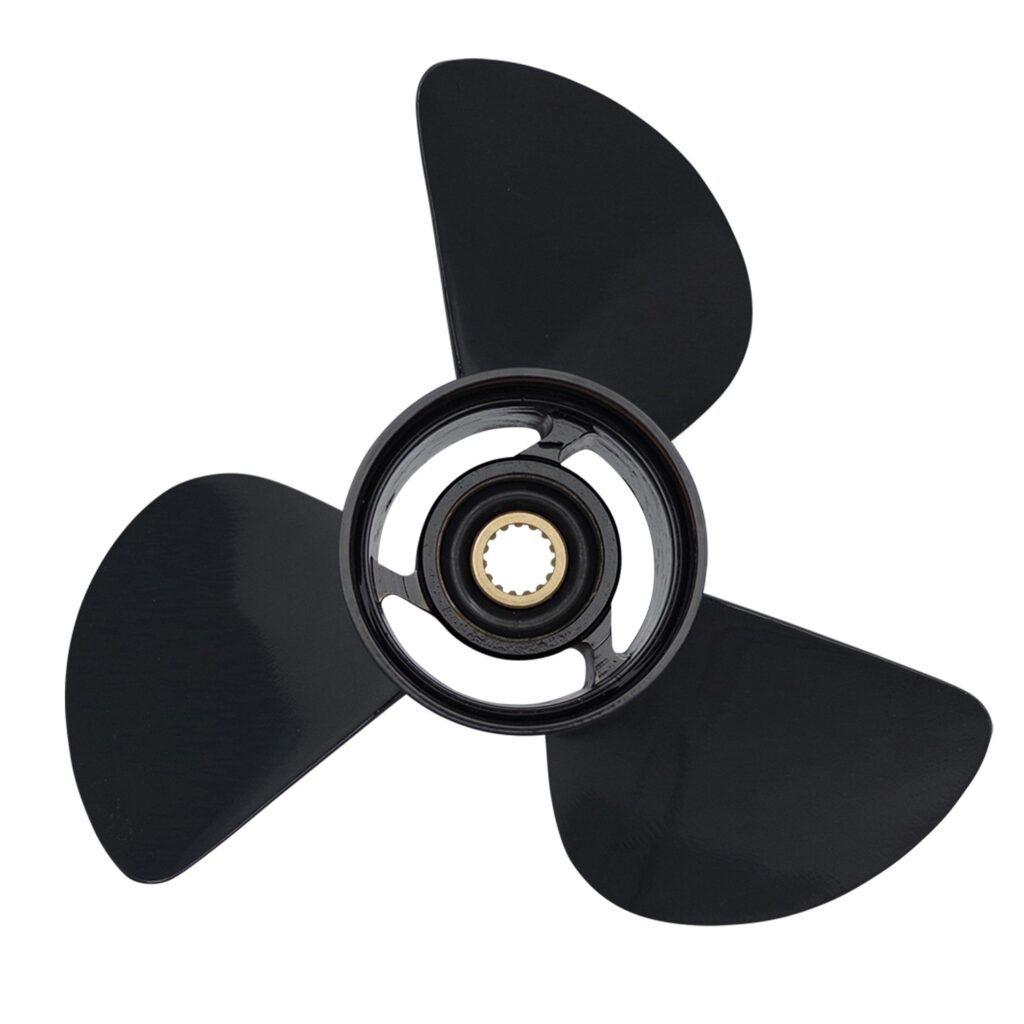
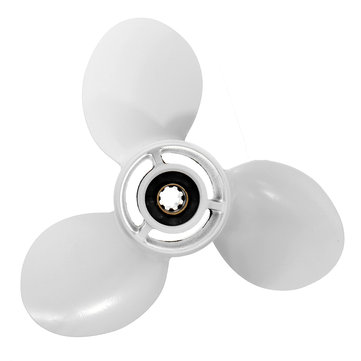
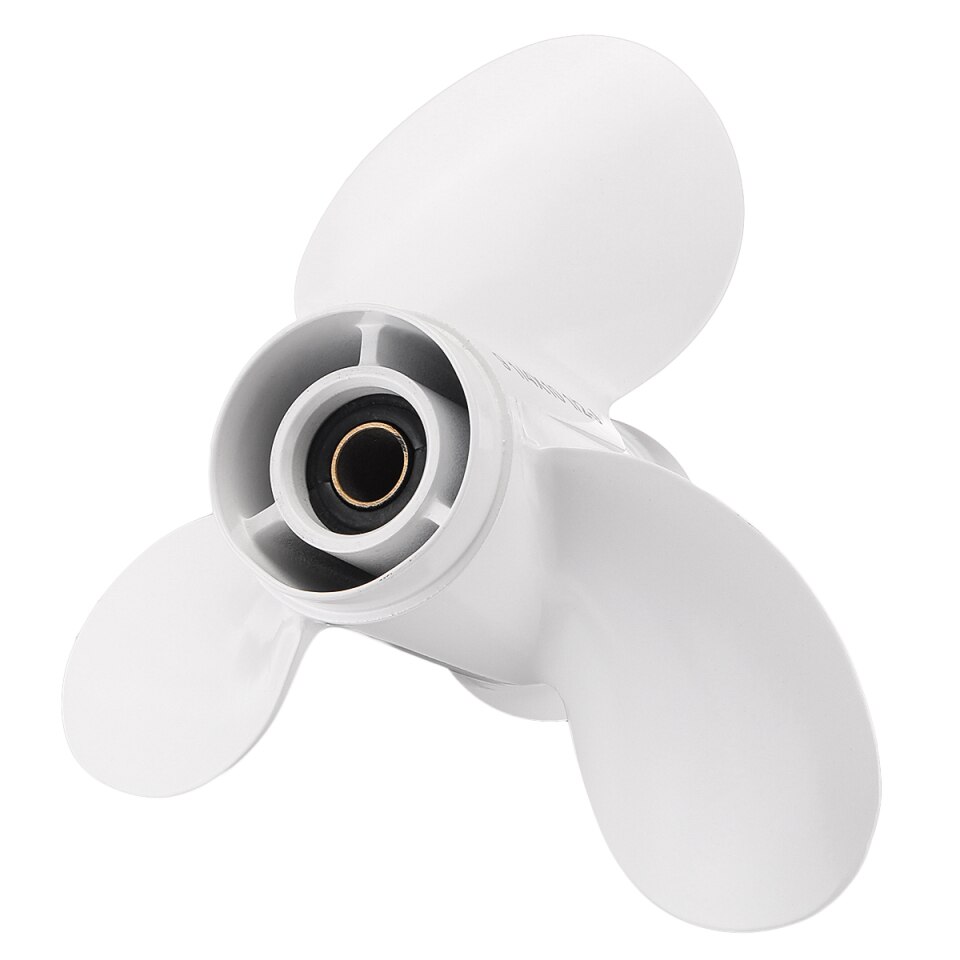
We stock Yamaha outboard propellers in aluminium and stainless steel, covering small portable engines through to high-horsepower offshore outboards. Available in 3-blade and 4-blade configurations across a range of diameters and pitches to suit different boat types, loads and performance requirements. Whether you’re replacing a damaged prop or upgrading for better performance, matching the right propeller to your engine and application makes a measurable difference on the water.
How to Choose the Right Yamaha Propeller
The most reliable way to select a Yamaha propeller is to match it to your engine’s Wide Open Throttle (WOT) RPM range. Your Yamaha owner’s manual will specify a target WOT range — typically between 5,000 and 6,000 RPM depending on your engine. Under normal load with passengers, fuel and gear aboard, your propeller should allow the engine to reach the upper end of that range without exceeding it. If your engine is over-revving, you need more pitch. If it’s struggling to reach WOT, you need less.
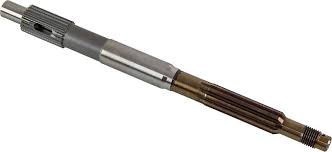
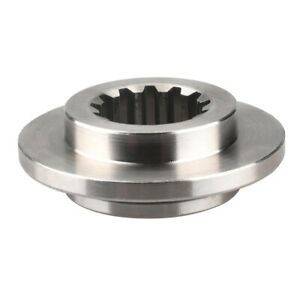
Before ordering, confirm your engine’s horsepower, model and year to ensure hub compatibility. Some propellers require a separate hub kit — check the product listing or contact us if you’re unsure.
Aluminium vs Stainless Steel Yamaha Propellas
Aluminium propellers are the most common choice for general recreational use. They’re cost-effective, easy to replace and absorb impact well — a bent aluminium prop is cheaper to replace than a damaged gearbox. For most trailer boats used in freshwater or sheltered coastal conditions, aluminium is the practical choice.
Stainless steel propellers offer superior rigidity, which translates to better performance at higher speeds and reduced flex under load. They’re more durable in the long run, particularly for saltwater use or performance-oriented applications. The trade-off is cost — stainless props carry a higher upfront price, and impact damage is less forgiving.
Propeller Pitch Explained
Pitch is the distance a propeller would theoretically travel in one full revolution. A lower pitch number delivers stronger acceleration and better performance under heavy loads — useful for towing, fishing with a full livey tank, or running a heavily loaded hull. A higher pitch number sacrifices low-end grunt for higher top-end speed. If your boat use varies, err toward the pitch that suits your most common load condition.
3-Blade vs 4-Blade Propellers
Three-blade propellers are the standard for most Yamaha outboard applications — they offer a good balance of speed, efficiency and top-end performance. Four-blade propellers provide better hole shot, improved handling at lower speeds and reduced ventilation in rough water. They suit heavier hulls, pontoons, and applications where low-end torque matters more than top speed.
Signs You Need a New Yamaha Propeller
- Increased vibration through the hull or motor
- Noticeable drop in top speed or acceleration
- Engine reaching WOT RPM more easily than usual (indicating pitch loss)
- Visible damage — bent, chipped or cracked blades
- Cavitation or ventilation that wasn’t previously present
Minor blade damage can sometimes be repaired, but a compromised propeller puts unnecessary load on your gearbox and driveshaft. If in doubt, replacement is the better call.
FAQs
What size propeller do I need for my Yamaha outboard? Propeller sizing is determined by your engine’s horsepower, your boat’s hull type and load, and your target WOT RPM range. Start by checking your Yamaha owner’s manual for the recommended RPM range, then select a propeller pitch that allows your engine to hit the top of that range under normal operating load. If you need help, contact us with your engine model, HP and year and we can point you in the right direction.
What’s the difference between aluminium and stainless steel Yamaha props? Aluminium props are more affordable and absorb impact better — they’re the practical choice for general use. Stainless steel props are stiffer and more durable, offering better high-speed performance and longevity, particularly in saltwater. The right choice depends on your budget, how you use your boat and the conditions you run in.
How do I know what pitch propeller I need? Check your engine’s recommended WOT RPM range in the owner’s manual. Under normal load, your current propeller should allow the engine to reach the top of that range. If it over-revs, go up in pitch. If it can’t reach WOT, go down in pitch. Each inch of pitch change typically alters RPM by around 150–200 RPM.
Will a stainless steel propeller fit my Yamaha outboard? Generally yes, provided the hub configuration matches your engine. Most stainless steel props use the same spline count and hub system as their aluminium equivalents for a given HP range. Some applications require a separate hub kit. Always confirm compatibility with your engine’s model and year before purchasing.
What does a 4-blade propeller do compared to 3-blade? A 4-blade propeller typically delivers a better hole shot, smoother ride in choppy conditions and improved low-speed handling. The trade-off is a slight reduction in top speed compared to a 3-blade of equivalent pitch. Four-blade props suit heavier boats, pontoons and applications where acceleration and rough-water handling matter more than outright top-end speed.